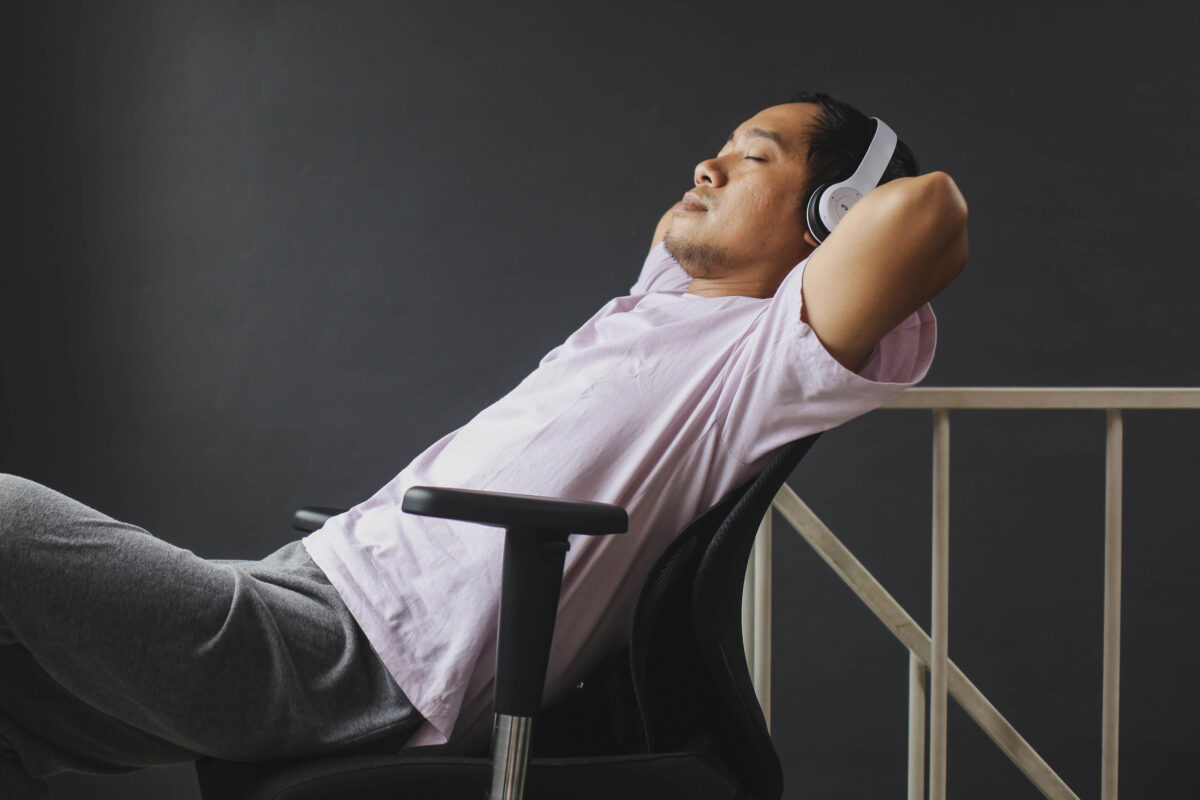


As interpreters, we’re trained to think of accuracy, terminology, ethics, and protocols. What we don’t get trained for, at least not enough, is what this job does to our bodies.
I learned this the hard way.
Early in my interpreting career, I could sit for hours without thinking twice. Call after call. Minimal breaks. By the end of the day, my shoulders were rock solid, my neck wouldn’t turn properly, and my lower back ached like I’d done manual labor instead of “just sitting and talking.” At first, I brushed it off. Then the discomfort became pain, and the pain became constant.
Interpreting Is Physical Work (Even If It Doesn’t Look Like It)
People often assume interpreting is “easy on the body” because we’re not lifting heavy objects or running around. But the physical demands are subtle and cumulative:
- Long periods of sitting
- Fixed head positions with headsets
- Repetitive hand movements
- Elevated stress that tightens muscles unconsciously
Over time, this creates chronic tension, especially in the neck, shoulders, lower back, hips, and wrists.
The Power of Micro-Movement
One of the biggest mindset shifts I had was realizing that movement doesn’t have to mean workouts.
On especially busy days, I started building in micro-movements:
- Rolling my shoulders while waiting for a call to connect
- Standing up and stretching during hold time
- Rotating my wrists after long medical dictations
These small actions reduced stiffness more than I expected.
Stretches Interpreters Actually Need
Certain areas take the hardest hit:
- Neck & shoulders: From leaning forward and headset tension
- Lower back & hips: From prolonged sitting
- Hands & forearms: From typing notes and managing platforms
Yoga and Pilates became game-changers for me, not because they’re intense, but because they strengthen the core muscles that protect the spine during long interpreting sessions.