



As someone who lives and breathes horror, from late night paranormal videos and alleged spirit captures, to unsettling podcasts, to brutal horror films and dog eared novels, I am always searching for stories that truly disturb me. It is not easy anymore. After years of consuming horror across every medium imaginable, you become desensitized. It takes something special to crawl under your skin.
That is why I want to talk about one of my absolute favorites, the master of slow burning dread, Junji Ito.
If you are a horror fan and somehow have not explored his work, you are missing out on a uniquely Japanese brand of existential terror that feels both intimate and cosmic at the same time.
The First Time I Entered His World
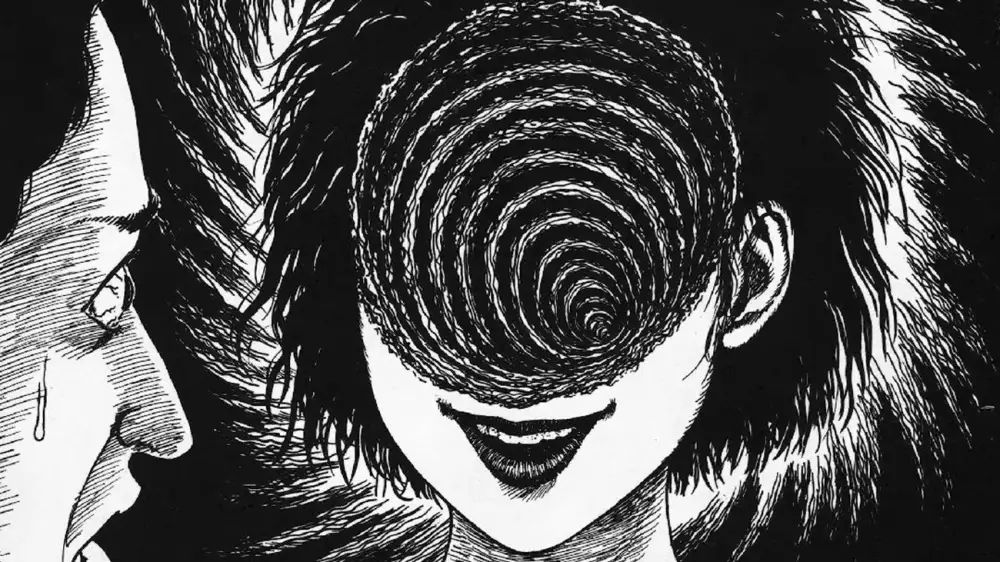
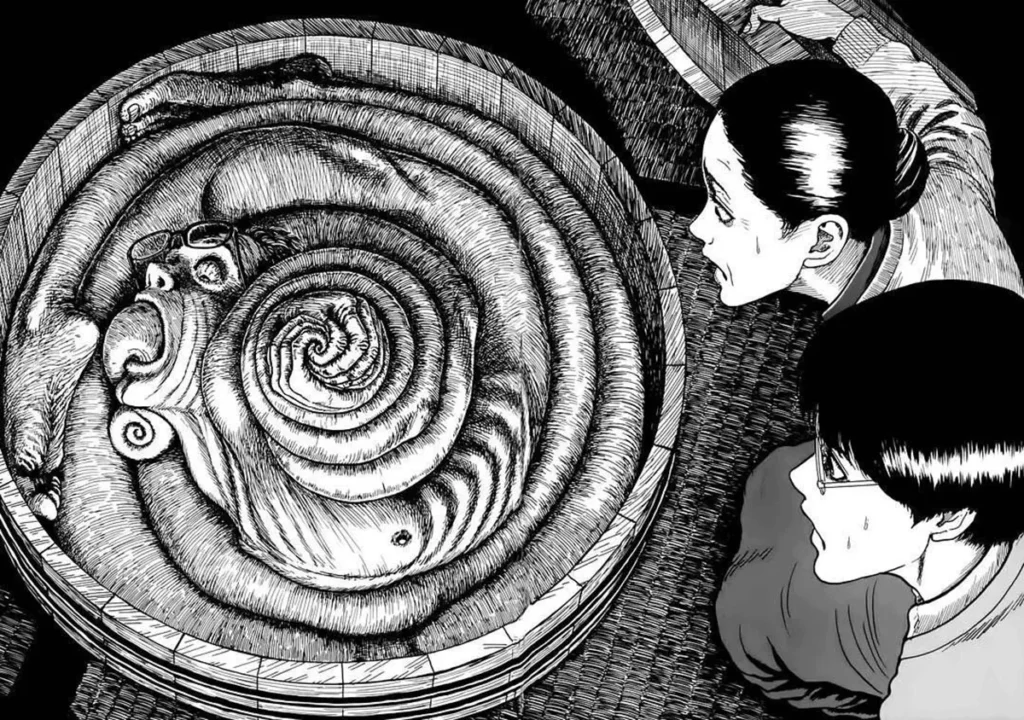
My journey into Junji Ito’s work started with Uzumaki ((Japanese: うずま[う]Uzumaki, meaning “spiral”). On the surface, it sounds almost absurd, a town obsessed with spirals. Spirals in the sky, spirals in smoke, spirals in human bodies. It should not work. It sounds like a joke.
But it is not.
What makes Uzumaki terrifying is not just the body horror, though there is plenty of that, it is the inevitability. The spiral is not a monster you can stab. It is not a ghost you can exorcise. It is a concept infecting reality. The characters slowly lose control as the town descends into madness, and you as the reader feel completely helpless. That quiet inevitability lingers long after you close the book.
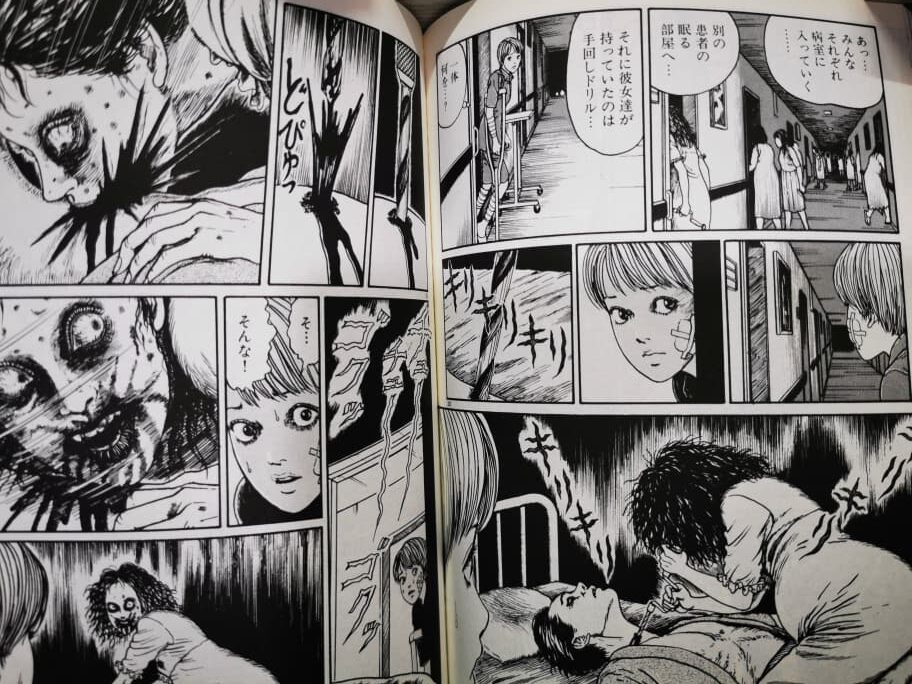
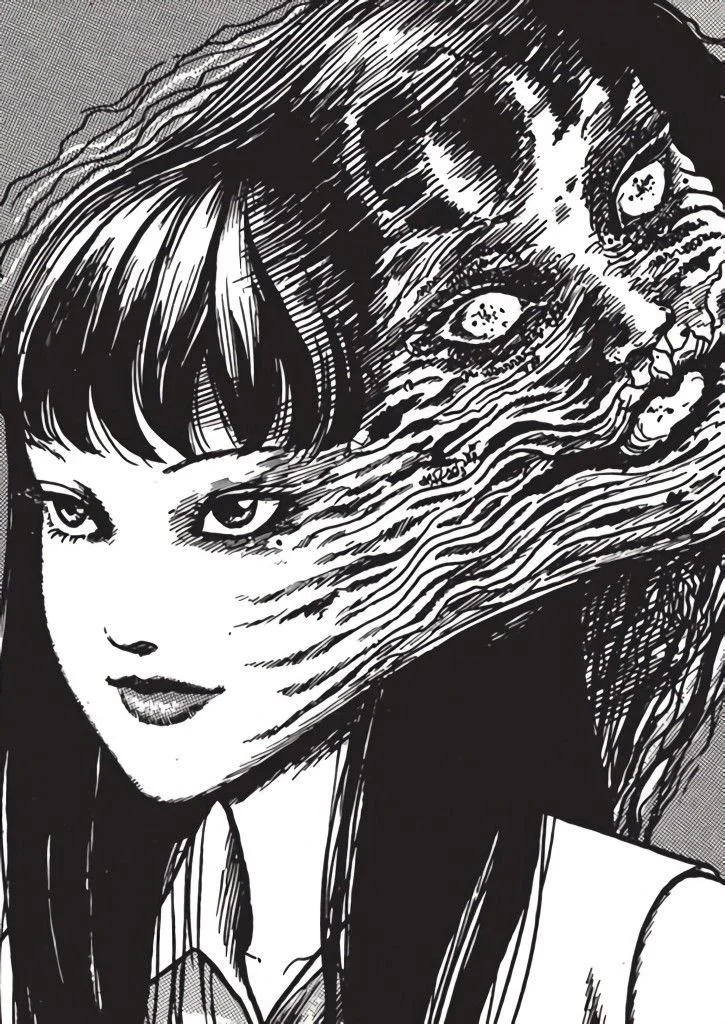
Then came Tomie.
Tomie is beautiful, manipulative, immortal, and endlessly regenerative. She drives people to obsession, jealousy, and eventually murder. And no matter how many times she is dismembered, she comes back.
Tomie is not just horror, she is commentary. On desire, on vanity, on toxic love. As someone who consumes horror across films and novels, I appreciate when terror is layered. Tomie is grotesque, yes, but she is also psychologically sharp. The horror is not only in the gore, it is in human weakness.
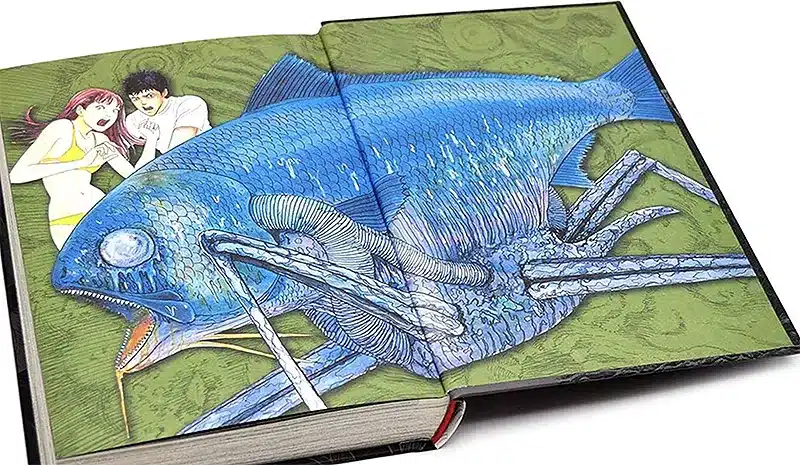
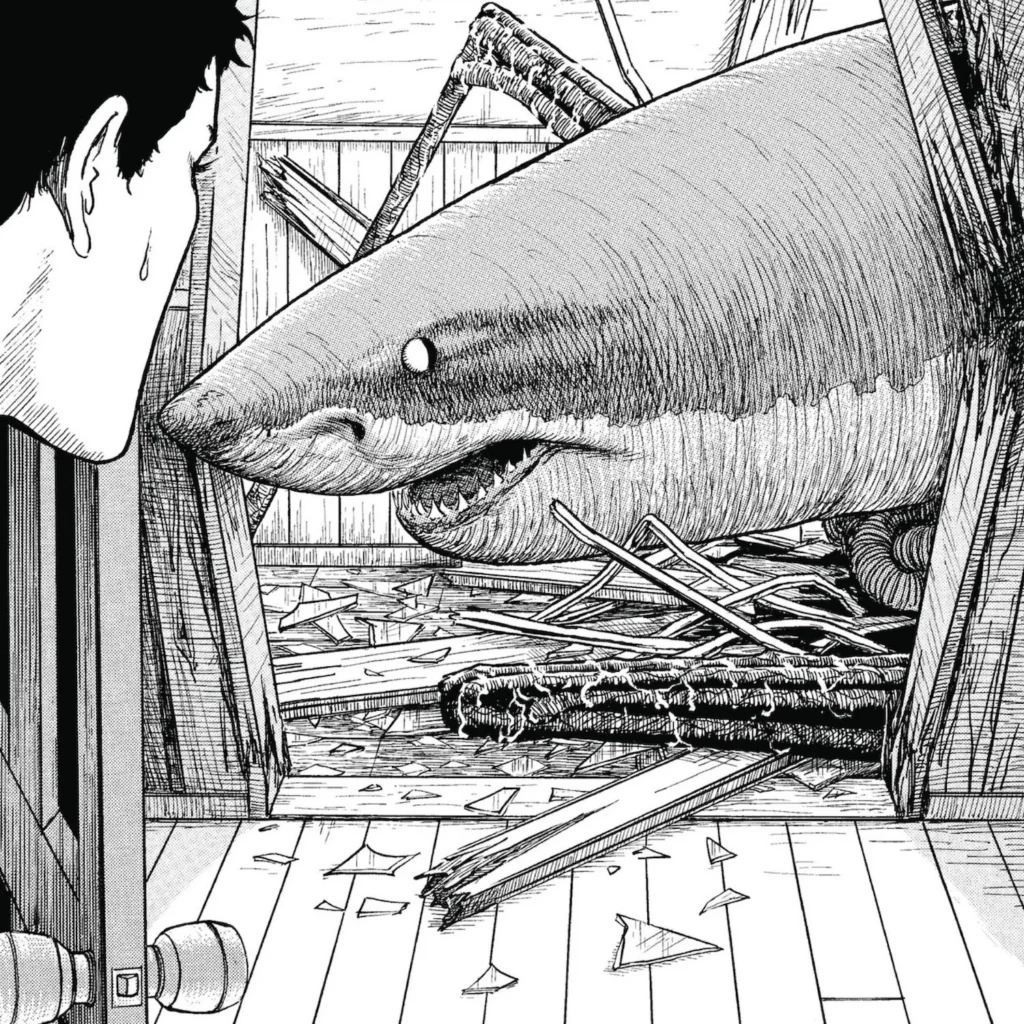
And of course, I cannot talk about Junji Ito without mentioning Gyo.
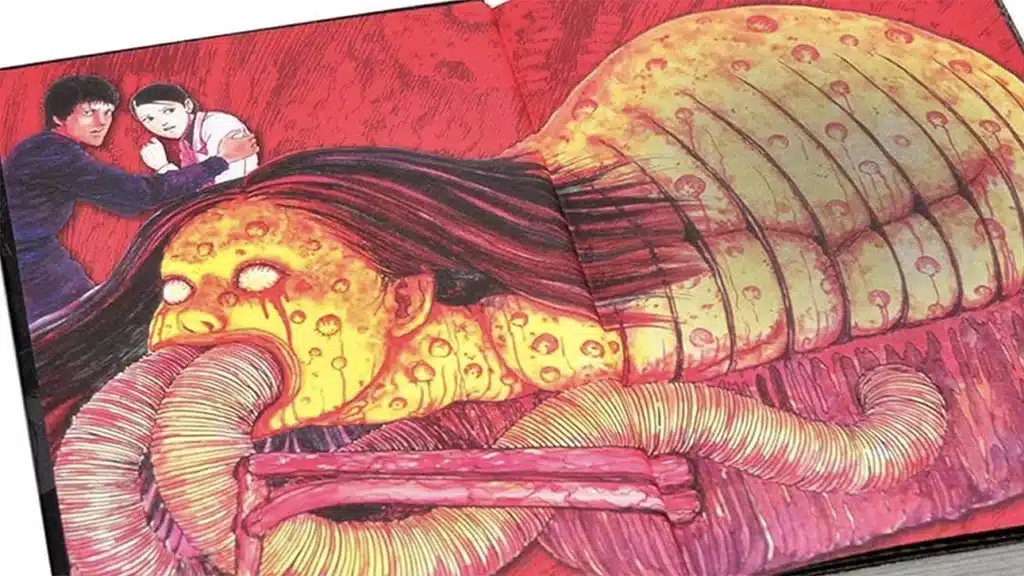
Gyo (Japanese: ギョ, pronounced G’yo), fully titled Gyo Ugomeku Bukimi (ギョ うごめく不気味; lit. “Fish: Ghastly Squirming”) Fish with mechanical legs invading the land, carried by the stench of death. It sounds ridiculous, and yet the execution is horrifying. The decay, the suffocating smell described through visual cues, the slow collapse of society, it taps into something primal, fear of contamination, fear of unstoppable spread. Long before global pandemics were part of our vocabulary, Gyo already explored the terror of invisible invasion.

Why Junji Ito Stands Above
As someone who watches horror movies, listens to eerie storytelling podcasts, reads horror novels, devours manga, and even dives into paranormal footage online, I can confidently say that Junji Ito’s horror feels different.
He does not rely on jump scares. There is no soundtrack cue to warn you. It is just ink on paper. And yet his panels feel alive. Faces stretch unnaturally. Eyes bulge in manic ecstasy. Smiles become too wide. The silence between panels is where your imagination does the most damage.
His art style plays a huge role. Clean, almost delicate linework that suddenly erupts into grotesque detail. The contrast makes the horror more jarring. You feel safe looking at an ordinary scene, then suddenly you are staring at something that should not exist.
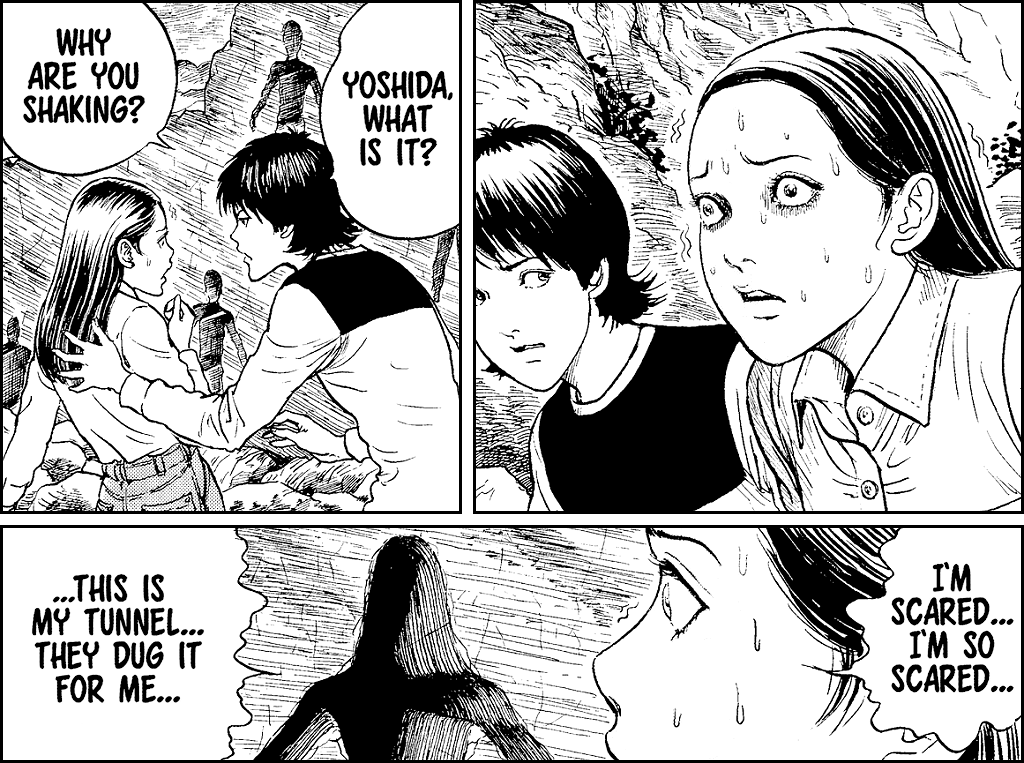
Another masterpiece worth mentioning is The Enigma of Amigara Fault (阿弥殻断層の怪).
If you know, you know. The human shaped holes in the mountain. The compulsion to enter them. The phrase, this hole was made for me. It is simple, but the psychological horror is overwhelming. It captures something deeply human, the need to belong, even if belonging means destruction.
My Collection and Why It Matters
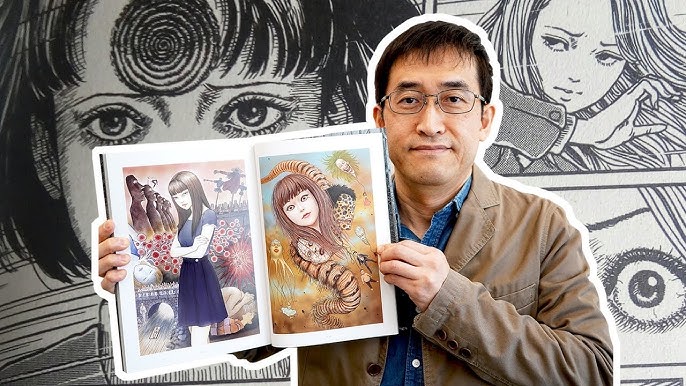
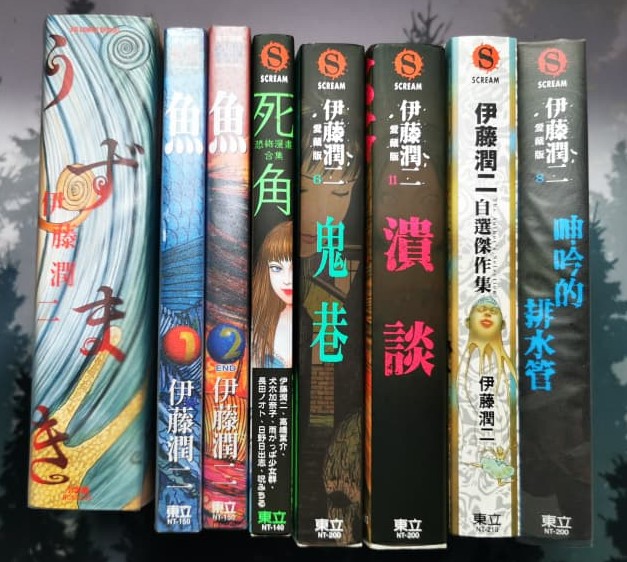
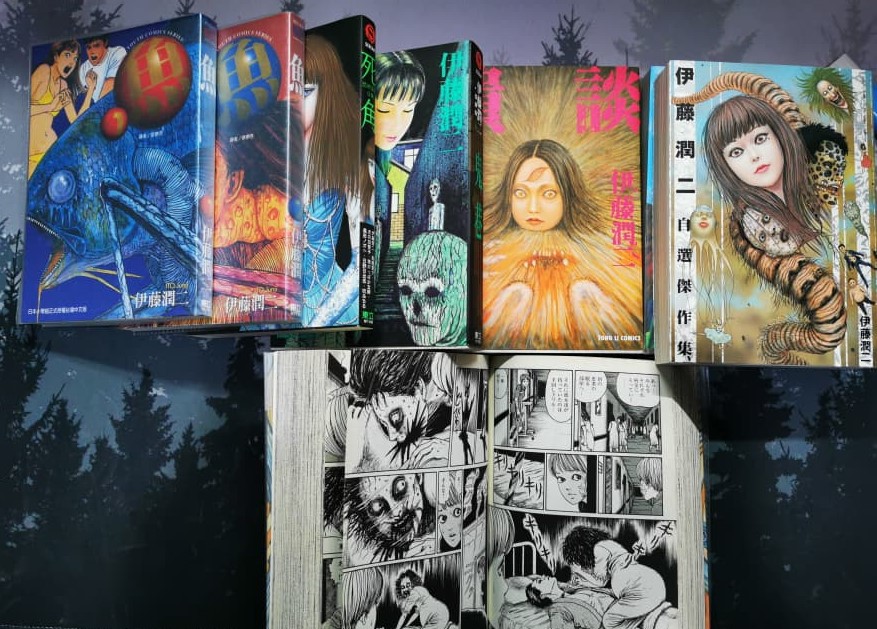
Over the years, I have built my own Junji Ito collection. Holding the physical volumes feels different from reading digitally. You can flip back to a disturbing panel, stare at the intricate crosshatching, admire how much detail goes into every grotesque transformation. It is art. Twisted art, but art nonetheless.
For me, collecting his works is not just about fandom. It is about appreciating a creator who has redefined horror in manga. In a world saturated with predictable scares, Junji Ito consistently delivers originality. He turns mundane fears into cosmic nightmares. He makes you question your own body, your environment, even your thoughts.
As a huge horror fan across movies, podcasts, novels, manga, and paranormal content, I can say that Junji Ito still manages to unsettle me in ways many modern horror films cannot. And that is rare.
If you love horror that lingers, horror that distorts reality slowly and mercilessly, horror that blends the grotesque with the philosophical, then Junji Ito deserves a place on your shelf.
And if you ever visit my place, do not be surprised if you find a stack of his volumes sitting there quietly.
Just try not to stare at any spirals for too long.