

Plot and Story
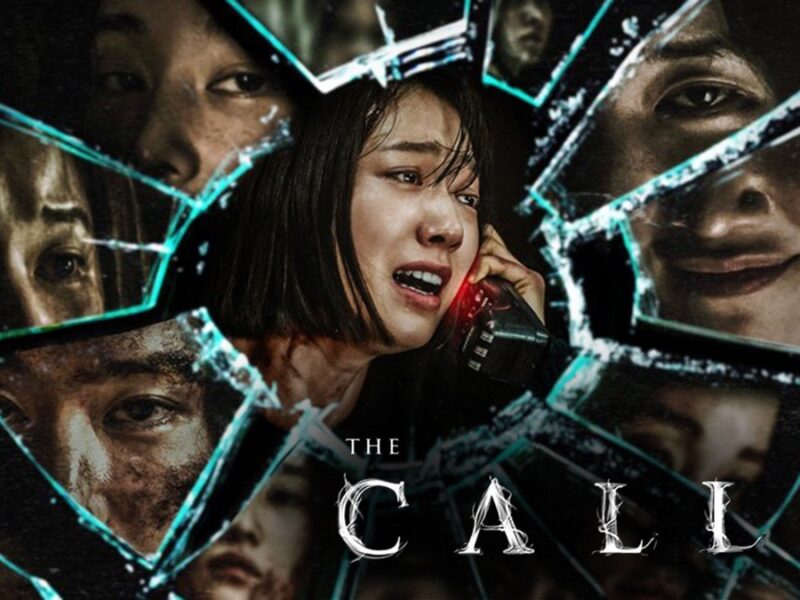
The Call is a Korean psychological thriller that takes a deceptively simple idea and stretches it into something deeply unsettling. The film follows Seo-yeon, played by Park Shin-hye, who returns to her childhood home after years away. While exploring the house, she discovers an old cordless phone that begins to ring. On the other end is Young-sook, played by Jeon Jong-seo, a woman living in the same house, but twenty years in the past.
At first, their connection feels almost warm. Both women are lonely, both are dealing with trauma, and their conversations feel like a strange form of companionship across time. Seo-yeon learns that Young-sook is being abused by her stepmother, and in an attempt to help, she gives her information from the future. This single decision sets off a chain reaction that completely reshapes Seo-yeon’s present.
One of the most compelling aspects of the story is how immediate the consequences feel. When Young-sook changes something in 1999, Seo-yeon experiences the shift instantly in 2019. Objects disappear, memories alter, and even entire people vanish from existence. The film plays with this cause-and-effect mechanic in a very visual and almost suffocating way, as the house itself changes depending on the timeline.
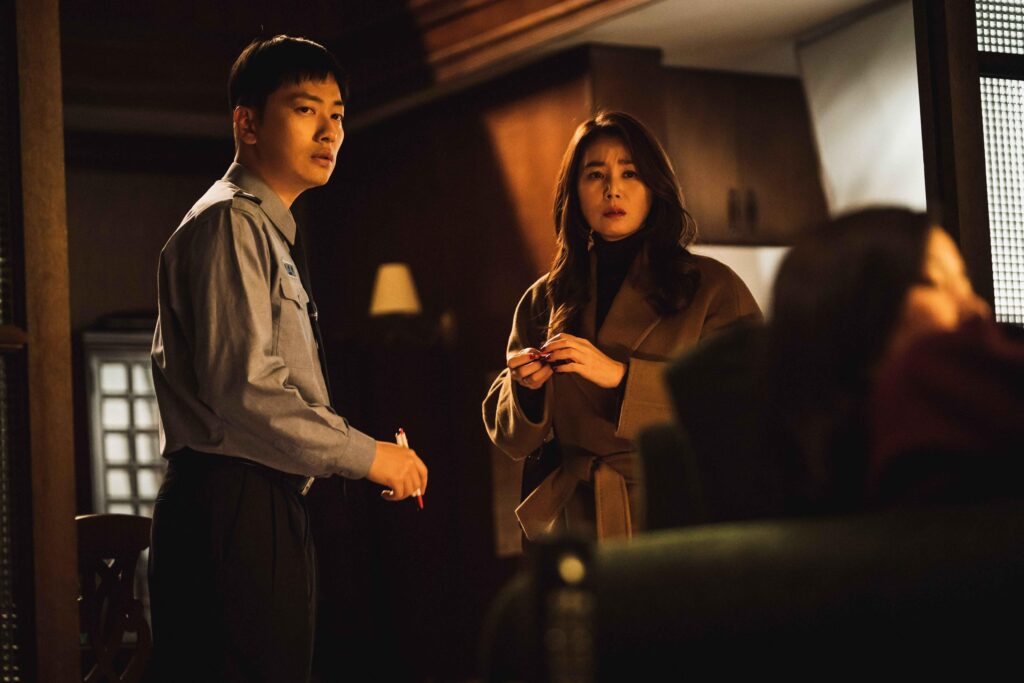
The turning point comes when Young-sook is revealed not as a victim, but as someone far more dangerous. Once she realizes she can manipulate the future, she begins to use it for her own survival and later for control. Her transformation into a serial killer is gradual but chilling, and what makes it terrifying is not just her violence but her ability to stay one step ahead by using information from Seo-yeon’s future.
From that moment, the film becomes a psychological battle. Seo-yeon is no longer trying to fix the past but to survive it. She is trapped in a reality that keeps shifting under her feet, while Young-sook, living in the past, effectively becomes the one in control. The tension builds through clever back-and-forth manipulation, where both characters try to outthink each other across time, turning the phone into a weapon rather than a connection.
Performances and Direction
Director Lee Chung-hyun crafts the film with a tight, almost claustrophobic atmosphere. The house becomes more than just a setting; it feels like a living entity that reflects the timeline’s instability. The lighting, sound design, and pacing all contribute to a constant sense of unease, even in quieter moments.
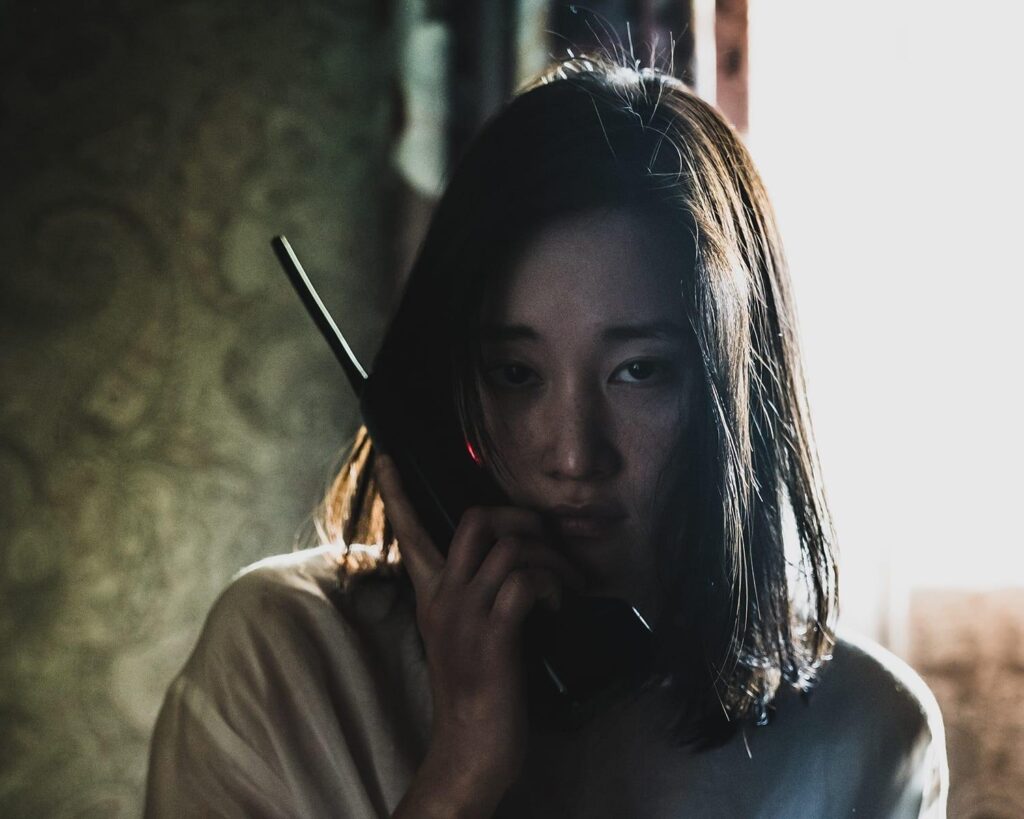
Jeon Jong-seo delivers a performance that is difficult to forget. Her portrayal of Young-sook moves from vulnerable and sympathetic to completely unhinged, and she does it in a way that feels disturbingly believable. There is a raw unpredictability in her expressions and tone, making it impossible to anticipate her next move.
Park Shin-hye plays the emotional counterbalance. Her performance carries the weight of fear, regret, and desperation as she watches her reality unravel. She grounds the film, making the audience feel the consequences of every decision, every shift in time, and every loss that occurs because of it.
The Ending and Why It Divides People
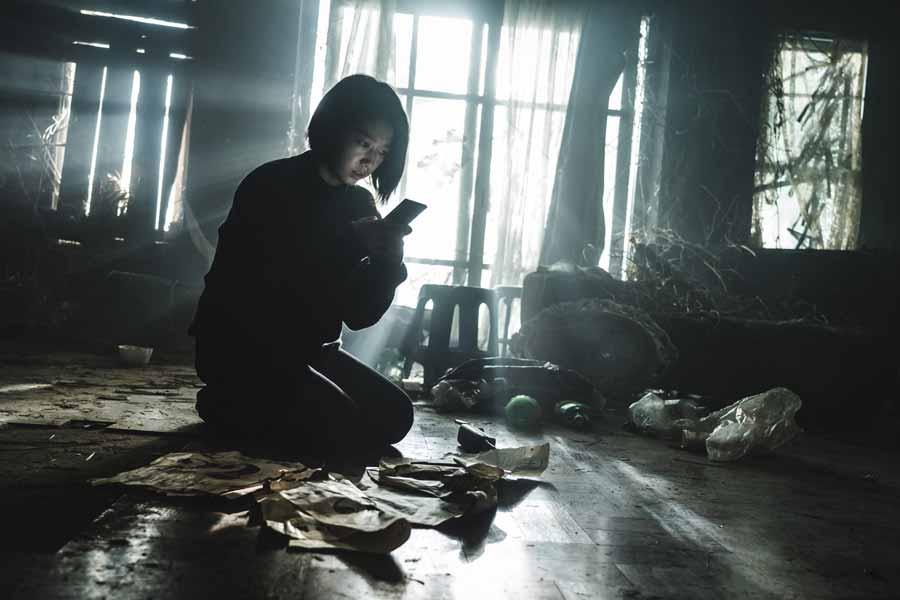
The ending of The Call is one of the most talked-about aspects of the film, and it is where opinions sharply split. Without giving away every detail, the film initially leads you toward a resolution that feels earned. After everything Seo-yeon has gone through, there is a sense that the story is closing on a note that is bittersweet but meaningful.
Then the film adds an additional twist during the mid-credits scene. This twist suggests that the timeline may not be as resolved as it seemed, and that Young-sook may have found a way to alter events yet again. It reframes everything the audience just experienced, leaving the final outcome uncertain.
Some viewers appreciate this choice because it stays true to the film’s core idea that time is unstable and consequences are never fully contained. It reinforces the idea that once the past is altered, there is no clean way to restore balance. Others feel that the extra twist undermines the emotional payoff, taking away the sense of closure that the story had built.
Critics and audiences have had mixed reactions. Some praise the boldness of refusing a neat ending, calling it haunting and memorable. Others argue that it feels unnecessary or even frustrating, as if the film does not trust its own conclusion and needs one last shock.
Critical and Audience Reactions
The Call received strong attention for its originality and performances. Many viewers highlighted how engaging the concept was and how effectively the film maintained tension from start to finish. The pacing, especially in the second half, keeps escalating without giving much room to breathe, which works in its favor for a thriller.
At the same time, some criticism focuses on the internal logic of the time-travel mechanics. While the film establishes its own rules, there are moments where those rules feel flexible, depending on what the story needs. For some viewers, this adds to the unpredictability, while for others it creates confusion.
The ending remains the biggest point of contention. It is the kind of choice that either elevates the film into something more thought-provoking or leaves viewers feeling slightly unsatisfied.

Is It Worth Watching?
If you enjoy psychological thrillers that play with time, morality, and consequence, The Call is absolutely worth watching. It is intense, emotionally heavy, and filled with moments that genuinely surprise you. The film does not rely on cheap scares but instead builds tension through character decisions and the fear of what those decisions might cause.
It is not a light watch, and it does not aim to comfort the audience. Instead, it leaves you thinking about how fragile reality can be when even a small change in the past can ripple into something catastrophic.
Our Final Thoughts
The Call stands out as one of the more memorable Korean thrillers in recent years. Its strength lies in its concept, its performances, and its willingness to take risks, even if those risks do not work for everyone. The film may not give you the clean resolution you expect, but it gives you something arguably more valuable, a story that stays with you long after it ends.