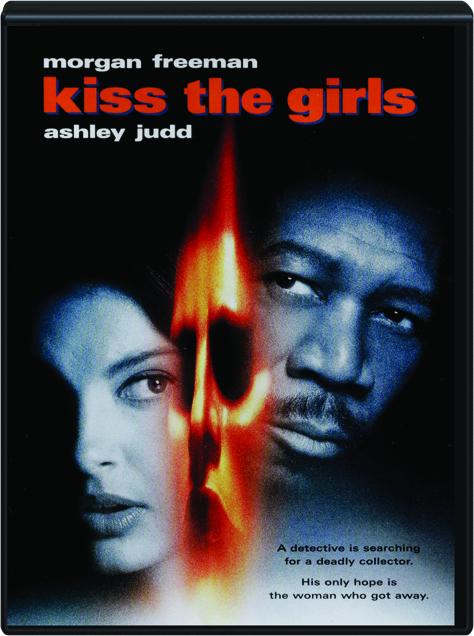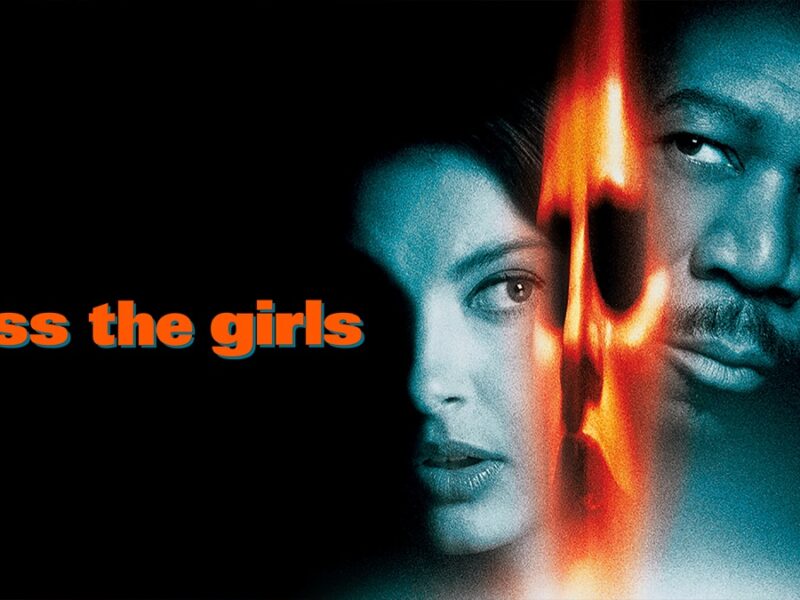


There’s something about revisiting a 90s thriller that just hits differently, especially when it stars someone as consistently brilliant as Morgan Freeman. Over the weekend, we decided to go back to a classic, Kiss the Girls, and honestly, it reminded us why films from that era still hold their ground today. If you’re scrolling through Netflix looking for something gripping, this might just be the one to queue up for your next movie night.
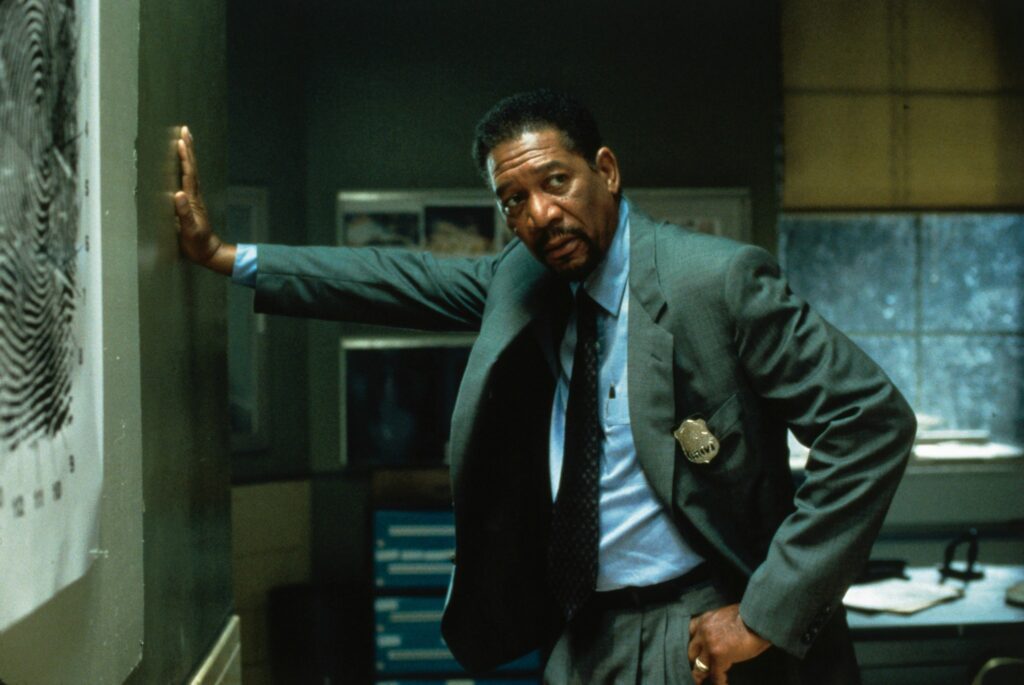
Originally released in 1997, Kiss the Girls is a psychological thriller that pulls you into a dark and unsettling world of kidnappings, control, and survival. The story follows forensic psychologist and detective Alex Cross, played by Morgan Freeman, who is drawn into a deeply personal case when his niece Naomi becomes one of several young women abducted by a mysterious figure known as “Casanova.”
Before going further, fair warning: spoilers ahead if you haven’t watched it yet.
The film opens with a chilling premise. Women are being kidnapped in a calculated, almost ritualistic manner. These aren’t random crimes; each victim is chosen with intention, almost like part of a collection. That idea alone sets the tone for the entire film, making it feel more psychological than purely criminal.
When Alex Cross arrives to assist in the investigation, it quickly becomes clear that local authorities are struggling to piece things together. The case is complex, layered, and frustratingly elusive. But everything shifts with the escape of Kate McTiernan, played by Ashley Judd.
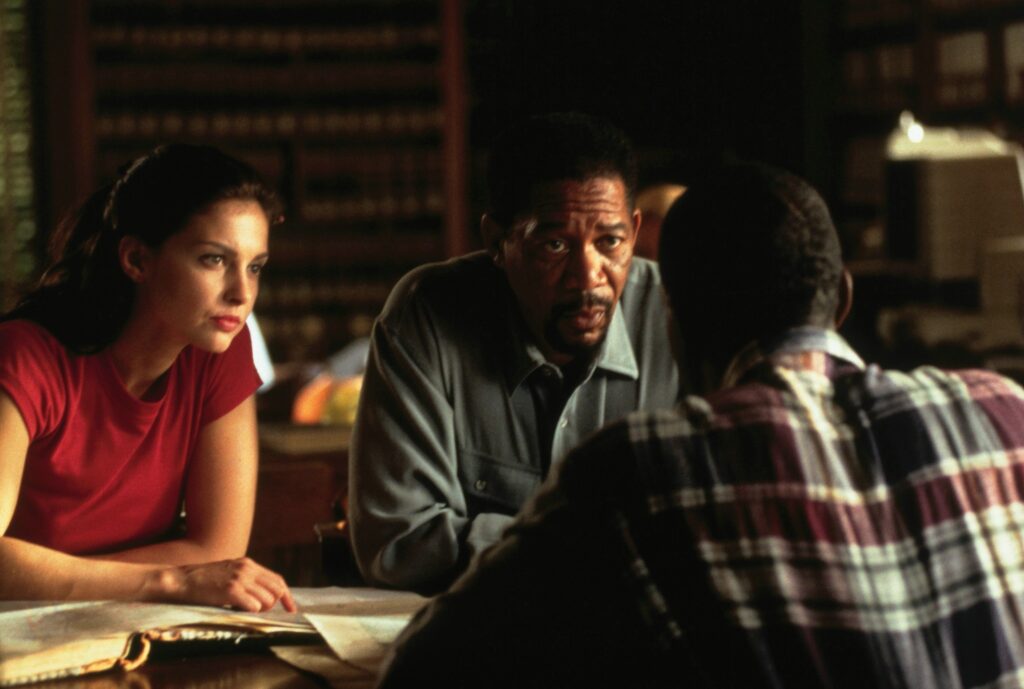
Kate’s escape is one of the film’s most intense and defining moments. Held in an underground lair alongside other victims, she observes, adapts, and ultimately fights her way out. Rather than being portrayed as a passive victim, she becomes a central force in the story. Her perspective gives Cross the first real insight into how “Casanova” operates, from his psychological manipulation to the way he controls and isolates his captives.
As Cross and Kate work together, the investigation deepens and becomes more unsettling. It’s revealed that the kidnapper isn’t working alone; there’s a system behind the abductions, suggesting coordination and planning beyond a single individual. The tension builds steadily as suspects emerge and the truth remains just out of reach.
Then comes the twist that defines the film. The seemingly trustworthy Dr. William Rudolph is revealed to be the man behind the identity of “Casanova.” It’s a classic 90s reveal, hiding the villain in plain sight, and it works because of how subtly the character is woven into the story. At the same time, the existence of an accomplice adds another layer of danger, reinforcing the idea that this operation was never a one-man act.
The final act brings urgency and emotional weight as Cross races against time to locate the remaining victims. It’s not overly flashy or action-heavy; instead, it leans into tension and resolution. Justice here feels earned, not forced, and the focus remains on survival and closure.
What makes Kiss the Girls stand out isn’t just its plot, but how it’s executed. Morgan Freeman delivers a performance that feels calm, intelligent, and grounded, exactly what you’d expect, yet still captivating. He doesn’t overplay the role, instead letting the tension build naturally through subtlety. Alongside him, Ashley Judd brings strength and resilience, balancing the film with a raw, human edge.
There’s also a certain nostalgia in how the story is told. No reliance on heavy CGI or over-the-top spectacle, just solid storytelling, strong performances, and a steady build of suspense. The pacing might feel slower compared to modern thrillers, but that’s exactly what allows the psychological tension to breathe.
And the best part, it’s currently available on Netflix, which makes it an easy and accessible weekend watch. No hunting around, no hassle, just press play and let the story pull you in.
Kiss the Girls may not be the flashiest thriller out there, but it’s a gripping, character-driven film that holds up even today. If you enjoy crime stories with a psychological edge and strong performances at their core, this is definitely worth your time. Sometimes, going back to a classic reminds you that great storytelling never really ages.