Welcome to the Behind The Mic Forum! A space for open conversations, shared experiences, and meaningful discussions. Whether it’s language, culture, daily life, or anything on your mind, feel free to create and share topics you’d like to talk about.
Sign up and jump into the conversation. Just keep our Community Guidelines in mind.
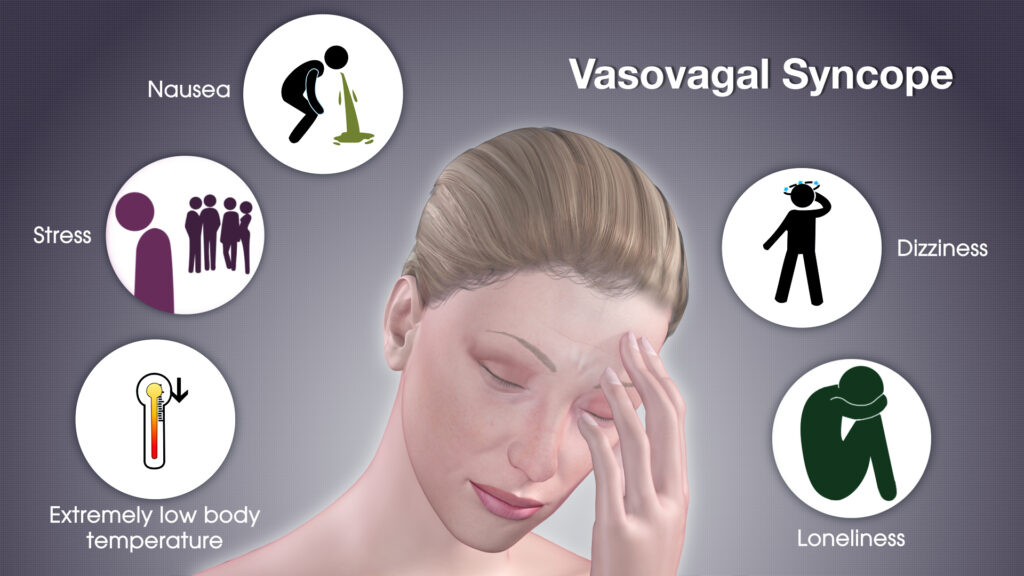
Vasovagal Syncope: There Is Always Something New to Learn
One of the most fascinating aspects of working within the interpreting industry is that there is always something new to learn and encounter.
Every day, interpreters help facilitate conversations involving medical conditions, treatments, procedures, and diagnoses that many people may never hear about in their daily lives. Recently, one of our interpreters received a call involving a condition known as Vasovagal Syncope.
At first glance, the term sounds complex and intimidating. However, it is actually one of the most common causes of fainting and something that millions of people experience at some point in their lives.
After hearing about the call, I thought it would be valuable to share some information about this condition because awareness and understanding can help people recognize symptoms and know when to seek medical advice.
What Is Vasovagal Syncope?
Vasovagal Syncope is a temporary loss of consciousness, commonly known as fainting, that occurs when the body's nervous system overreacts to certain triggers.
The condition happens when the heart rate slows down and blood vessels widen suddenly. This causes a temporary drop in blood pressure and reduces blood flow to the brain.
As a result, a person may briefly lose consciousness before recovering on their own.
Although the experience can be frightening, vasovagal syncope itself is generally not life-threatening in otherwise healthy individuals.
What Triggers It?
One of the interesting things about vasovagal syncope is that it can be triggered by situations that many people encounter in everyday life.
Common triggers include:
• Seeing blood
• Having blood drawn
• Receiving an injection
• Emotional distress
• Fear or anxiety
• Standing for long periods
• Severe pain
• Heat exposure
• Dehydration
• Exhaustion
For some people, even witnessing a medical procedure can trigger a fainting episode.
This reaction occurs because the body's autonomic nervous system suddenly activates a reflex that lowers blood pressure and heart rate.
What Does It Feel Like?
Many people experience warning signs before fainting.
Common symptoms include:
• Dizziness
• Lightheadedness
• Nausea
• Sweating
• Blurred vision
• Ringing in the ears
• Feeling unusually warm
• Pale skin
• Weakness
Recognizing these warning signs can sometimes allow a person to sit or lie down before losing consciousness, reducing the risk of injury from a fall.
Why Does the Body React This Way?
The human body is controlled by an automatic system known as the autonomic nervous system.
Normally, this system regulates heart rate, blood pressure, breathing, and many other functions without us even thinking about them.
In vasovagal syncope, a sudden reflex causes:
The heart rate to slow down.
Blood vessels to widen.
Blood pressure to drop.
Less blood reaches the brain.
The person briefly loses consciousness.
Fortunately, once the person falls or lies flat, blood flow to the brain improves and consciousness usually returns quickly.
Is It Dangerous?
Most episodes of vasovagal syncope are not dangerous by themselves.
However, the greatest risk comes from injuries sustained during a fall.
A person who faints while driving, climbing stairs, operating machinery, or standing on a hard surface could suffer serious injuries.
For this reason, recurrent fainting episodes should always be evaluated by a healthcare professional.
Doctors may perform tests to rule out other causes of fainting, including heart rhythm abnormalities, neurological disorders, or underlying medical conditions.
How Is It Diagnosed?
Healthcare providers may use several methods to evaluate fainting episodes:
Medical history review
Physical examination
Blood pressure monitoring
Electrocardiogram (ECG)
Echocardiogram
Tilt table testing
Blood tests
One of the more interesting tests is the tilt table test, which helps doctors observe how a person's blood pressure and heart rate respond to changes in body position.
Can It Be Prevented?
For many people, vasovagal syncope can be managed successfully by identifying triggers and making lifestyle adjustments.
Common recommendations include:
Staying well hydrated
Avoiding prolonged standing
Recognizing early warning signs
Sitting or lying down when symptoms begin
Maintaining adequate nutrition
Managing stress and anxiety
Some patients with frequent episodes may require additional treatment under the guidance of a healthcare specialist.
Why This Interpreter Call Stood Out
The interpreter involved in this call was helping facilitate communication between a patient and healthcare provider regarding episodes of fainting, diagnostic testing, and follow-up recommendations.
For the patient, the experience was understandably concerning. Losing consciousness, even briefly, can be frightening and may raise fears about serious heart or neurological problems.
The conversation involved explaining what vasovagal syncope is, discussing potential triggers, and reviewing strategies to help prevent future episodes.
As medical interpreters, we often encounter conditions that may sound alarming at first but become much easier to understand once they are explained clearly.
This is one reason why effective communication is so important in healthcare. Patients deserve to understand what is happening to their bodies and what steps they can take moving forward.
The Importance of Awareness
One lesson from this call is that not every fainting episode signals a life-threatening emergency, but every episode deserves proper evaluation.
Understanding conditions such as vasovagal syncope can help reduce unnecessary fear while encouraging people to seek appropriate medical care when needed.
For interpreters, these encounters are a reminder of how diverse and fascinating healthcare can be. Every day brings new terminology, new diagnoses, and new opportunities to learn.
There is always something new to learn and encounter, and sometimes a single phone call becomes an opportunity to share that knowledge with others.
These videos typically provide easy-to-understand explanations and animations that can help readers visualize what occurs during a vasovagal episode.
Disclaimer: This article is intended for educational and awareness purposes only and should not be considered medical advice. Anyone with concerns regarding kidney disease, MRI contrast agents, or related symptoms should consult a qualified healthcare professional.
Vasovagal Syncope: There Is Always Something New to Learn
One of the most fascinating aspects of working within the interpreting industry is that there is always something new to learn and encounter.
Every day, interpreters help facilitate conversations involving medical conditions, treatments, procedures, and diagnoses that many people may never hear about in their daily lives. Recently, one of our interpreters received a call involving a condition known as Vasovagal Syncope.
At first glance, the term sounds complex and intimidating. However, it is actually one of the most common causes of fainting and something that millions of people experience at some point in their lives.
After hearing about the call, I thought it would be valuable to share some information about this condition because awareness and understanding can help people recognize symptoms and know when to seek medical advice.
What Is Vasovagal Syncope?
Vasovagal Syncope is a temporary loss of consciousness, commonly known as fainting, that occurs when the body's nervous system overreacts to certain triggers.
The condition happens when the heart rate slows down and blood vessels widen suddenly. This causes a temporary drop in blood pressure and reduces blood flow to the brain.
As a result, a person may briefly lose consciousness before recovering on their own.
Although the experience can be frightening, vasovagal syncope itself is generally not life-threatening in otherwise healthy individuals.
What Triggers It?
One of the interesting things about vasovagal syncope is that it can be triggered by situations that many people encounter in everyday life.
Common triggers include:
• Seeing blood
• Having blood drawn
• Receiving an injection
• Emotional distress
• Fear or anxiety
• Standing for long periods
• Severe pain
• Heat exposure
• Dehydration
• Exhaustion
For some people, even witnessing a medical procedure can trigger a fainting episode.
This reaction occurs because the body's autonomic nervous system suddenly activates a reflex that lowers blood pressure and heart rate.
What Does It Feel Like?
Many people experience warning signs before fainting.
Common symptoms include:
• Dizziness
• Lightheadedness
• Nausea
• Sweating
• Blurred vision
• Ringing in the ears
• Feeling unusually warm
• Pale skin
• Weakness
Recognizing these warning signs can sometimes allow a person to sit or lie down before losing consciousness, reducing the risk of injury from a fall.
Why Does the Body React This Way?
The human body is controlled by an automatic system known as the autonomic nervous system.
Normally, this system regulates heart rate, blood pressure, breathing, and many other functions without us even thinking about them.
In vasovagal syncope, a sudden reflex causes:
The heart rate to slow down.
Blood vessels to widen.
Blood pressure to drop.
Less blood reaches the brain.
The person briefly loses consciousness.
Fortunately, once the person falls or lies flat, blood flow to the brain improves and consciousness usually returns quickly.
Is It Dangerous?
Most episodes of vasovagal syncope are not dangerous by themselves.
However, the greatest risk comes from injuries sustained during a fall.
A person who faints while driving, climbing stairs, operating machinery, or standing on a hard surface could suffer serious injuries.
For this reason, recurrent fainting episodes should always be evaluated by a healthcare professional.
Doctors may perform tests to rule out other causes of fainting, including heart rhythm abnormalities, neurological disorders, or underlying medical conditions.
How Is It Diagnosed?
Healthcare providers may use several methods to evaluate fainting episodes:
Medical history review
Physical examination
Blood pressure monitoring
Electrocardiogram (ECG)
Echocardiogram
Tilt table testing
Blood tests
One of the more interesting tests is the tilt table test, which helps doctors observe how a person's blood pressure and heart rate respond to changes in body position.
Can It Be Prevented?
For many people, vasovagal syncope can be managed successfully by identifying triggers and making lifestyle adjustments.
Common recommendations include:
Staying well hydrated
Avoiding prolonged standing
Recognizing early warning signs
Sitting or lying down when symptoms begin
Maintaining adequate nutrition
Managing stress and anxiety
Some patients with frequent episodes may require additional treatment under the guidance of a healthcare specialist.
Why This Interpreter Call Stood Out
The interpreter involved in this call was helping facilitate communication between a patient and healthcare provider regarding episodes of fainting, diagnostic testing, and follow-up recommendations.
For the patient, the experience was understandably concerning. Losing consciousness, even briefly, can be frightening and may raise fears about serious heart or neurological problems.
The conversation involved explaining what vasovagal syncope is, discussing potential triggers, and reviewing strategies to help prevent future episodes.
As medical interpreters, we often encounter conditions that may sound alarming at first but become much easier to understand once they are explained clearly.
This is one reason why effective communication is so important in healthcare. Patients deserve to understand what is happening to their bodies and what steps they can take moving forward.
The Importance of Awareness
One lesson from this call is that not every fainting episode signals a life-threatening emergency, but every episode deserves proper evaluation.
Understanding conditions such as vasovagal syncope can help reduce unnecessary fear while encouraging people to seek appropriate medical care when needed.
For interpreters, these encounters are a reminder of how diverse and fascinating healthcare can be. Every day brings new terminology, new diagnoses, and new opportunities to learn.
There is always something new to learn and encounter, and sometimes a single phone call becomes an opportunity to share that knowledge with others.
These videos typically provide easy-to-understand explanations and animations that can help readers visualize what occurs during a vasovagal episode.
Disclaimer: This article is intended for educational and awareness purposes only and should not be considered medical advice. Anyone with concerns regarding kidney disease, MRI contrast agents, or related symptoms should consult a qualified healthcare professional.
We use cookies to ensure the proper functioning of Behind The Mic, enhance your browsing experience, analyze site traffic, and personalize content. By continuing to access or use this website, you consent to the use of cookies in accordance with our Privacy Policy and applicable international data protection laws.
Functional
Always active
The technical storage or access is strictly necessary for the legitimate purpose of enabling the use of a specific service explicitly requested by the subscriber or user, or for the sole purpose of carrying out the transmission of a communication over an electronic communications network.
Preferences
The technical storage or access is necessary for the legitimate purpose of storing preferences that are not requested by the subscriber or user.
Statistics
The technical storage or access that is used exclusively for statistical purposes.The technical storage or access that is used exclusively for anonymous statistical purposes. Without a subpoena, voluntary compliance on the part of your Internet Service Provider, or additional records from a third party, information stored or retrieved for this purpose alone cannot usually be used to identify you.
Marketing
The technical storage or access is required to create user profiles to send advertising, or to track the user on a website or across several websites for similar marketing purposes.