

A Medical Call That Caught Our Attention
One of the most interesting aspects of working in the interpreting industry is that every day presents an opportunity to learn something new.
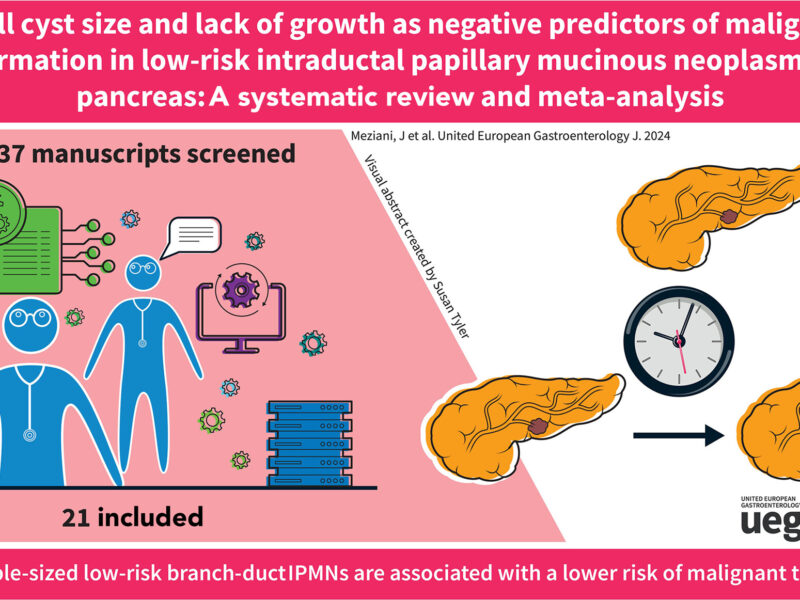
Our interpreters assist with thousands of conversations each year, ranging from routine medical appointments to discussions involving rare diseases and complex diagnoses. Recently, one of our interpreters shared details of a call involving a condition called Intraductal Papillary Mucinous Neoplasm (IPMN).
For many people, this may be the first time they’ve ever heard those words.
The call involved a patient discussing imaging results, future monitoring, and concerns about cancer risk. After hearing about the case, I thought it would be valuable to share some information about this condition because awareness and knowledge can help people better understand their health and the importance of regular medical follow-up.
What Is an IPMN?
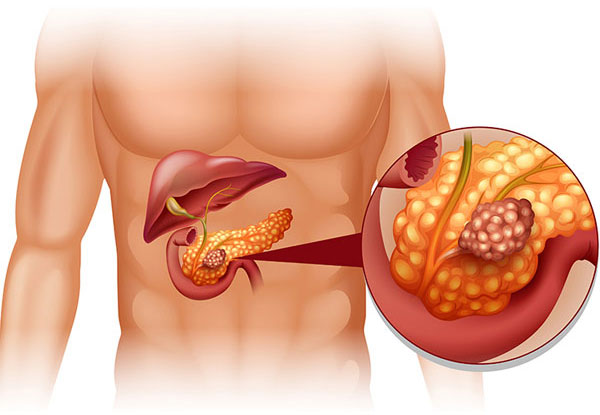
An Intraductal Papillary Mucinous Neoplasm, or IPMN, is a growth that develops within the ducts of the pancreas.
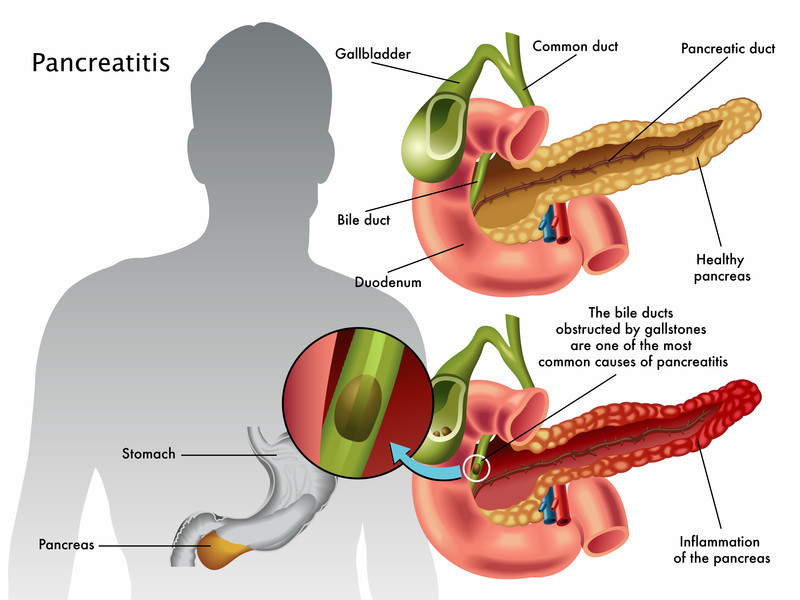
The pancreas is an organ located behind the stomach that serves two critical functions. It produces digestive enzymes that help break down food and hormones such as insulin that help regulate blood sugar levels.
An IPMN produces mucus within the pancreatic ducts. Over time, this mucus can cause the ducts to expand and form cyst-like structures.
The important thing to understand is that many IPMNs are not cancerous. However, some have the potential to become pancreatic cancer if they are not monitored or treated appropriately.
Because of this possibility, doctors take these findings seriously even when a patient feels completely healthy.
Why Are IPMNs Often Discovered by Accident?
One of the most surprising things about IPMN is that many people never experience symptoms.
In fact, countless cases are discovered accidentally when a patient undergoes a CT scan, MRI, or ultrasound for an unrelated medical concern.
A patient may be having imaging performed for abdominal discomfort, kidney issues, or even a routine health check, only to learn that a pancreatic cyst has been found.
This is often referred to as an “incidental finding.”
While discovering an unexpected growth can be alarming, finding it early often gives doctors the opportunity to monitor it long before it becomes dangerous.
What Symptoms Can Occur?
Although many patients have no symptoms, some people may experience:
• Abdominal pain
• Back pain
• Nausea
• Unexplained weight loss
• Loss of appetite
• Recurrent episodes of pancreatitis
• Jaundice, which causes yellowing of the skin and eyes
These symptoms can also be associated with many other medical conditions, which is why imaging studies play such an important role in diagnosis.
Are All IPMNs the Same?
No.
Doctors classify IPMNs into several categories based on where they develop within the pancreas.
Main Duct IPMN
This type develops within the main pancreatic duct and generally carries a higher risk of becoming cancerous.
Branch Duct IPMN
This develops within smaller side branches of the pancreatic duct system. These often have a lower cancer risk but still require monitoring.
Mixed-Type IPMN
This involves both the main duct and branch ducts and may require closer surveillance or treatment.
Understanding which type of IPMN a patient has helps doctors determine the best management strategy.
How Is IPMN Diagnosed?
When a pancreatic cyst is identified, doctors may recommend additional testing to better understand its characteristics.
These tests may include:
- CT scans
- MRI scans
- Endoscopic Ultrasound (EUS)
- Blood tests
- Fluid analysis from the cyst in selected cases
Doctors evaluate factors such as:
- The size of the cyst
- Whether it is growing
- Changes in the pancreatic ducts
- Features that may suggest a higher cancer risk
The goal is to determine whether the cyst can be safely monitored or whether treatment should be considered.
Can IPMN Become Cancer?
This is often the first question patients ask.
The answer is that some IPMNs can develop into pancreatic cancer over time, but many never do.
That distinction is extremely important.
A diagnosis of IPMN does not mean a patient has cancer. It means that doctors have identified a lesion that requires monitoring because of its potential to change in the future.
This is why patients are often scheduled for regular follow-up scans over many years.
The purpose is to identify any concerning changes early, when treatment options are most effective.
How Is It Treated?
Treatment depends on the patient’s individual situation.
Many patients simply undergo routine monitoring through periodic MRI or CT scans.
However, surgery may be recommended when:
- The cyst reaches a significant size
- There are signs suggesting a higher cancer risk
- The patient develops symptoms
- Imaging shows concerning changes
The decision is made carefully by specialists who weigh the benefits and risks for each individual patient.
Why This Call Stood Out
The interpreter involved in this call was helping facilitate a discussion about imaging findings, future surveillance, and treatment considerations.
These conversations can be stressful for patients.
Words such as “neoplasm,” “cyst,” and “cancer risk” naturally create anxiety, even when a diagnosis is not cancer.
Medical interpreters play an important role during these moments. They help ensure that patients fully understand what their healthcare providers are explaining and that providers can accurately understand the patient’s questions and concerns.
Clear communication helps patients make informed decisions about their care and follow-up treatment.
Why We Wanted to Share This Story
One of the unique things about medical interpreting is that interpreters are often exposed to rare and highly specialized medical conditions that most people may never hear about.
Every day, interpreters bridge language barriers during discussions involving complex diagnoses, advanced treatments, and life-changing medical decisions.
This particular call reminded us that awareness matters.
Many people assume pancreatic conditions always produce symptoms, but IPMN demonstrates that important findings can exist silently for years. Routine medical care and follow-up imaging can sometimes identify issues long before they become serious.
Knowledge cannot replace professional medical advice, but it can help people better understand the conditions they may encounter during their healthcare journey.
As interpreters, our role is not to diagnose or treat. Our role is to help conversations happen clearly and accurately.
Sometimes those conversations also provide opportunities for all of us to learn something new.
Learn More About IPMN
Medical Resources
- Johns Hopkins IPMN Resource Center
- Mayo Clinic Pancreatic Cysts Guide
- UCSF Health IPMN Information Center
- National Library of Medicine IPMN Overview
- Pancreatic Cancer Action Network (PanCAN)
Educational Videos
For readers who would like to learn more about pancreatic cysts and IPMN, the following videos and resources are excellent starting points:
PanCAN Patient Education Library
Johns Hopkins Pancreatic Cyst Education Videos
Mayo Clinic Pancreatic Cyst Educational Presentation
Disclaimer: This article is intended for educational and awareness purposes only and should not be considered medical advice. Anyone with concerns regarding kidney disease, MRI contrast agents, or related symptoms should consult a qualified healthcare professional.