Welcome to the Behind The Mic Forum! A space for open conversations, shared experiences, and meaningful discussions. Whether it’s language, culture, daily life, or anything on your mind, feel free to create and share topics you’d like to talk about.
Sign up and jump into the conversation. Just keep our Community Guidelines in mind.
To help raise awareness about the types of calls interpreters receive, I thought I would share one that recently came through to an interpreter. Many people outside the healthcare industry have never heard of this condition, yet for the patients and families affected by it, the impact can be life-changing.
Nephrogenic Systemic Fibrosis: A Rare but Serious Condition
One of our interpreters recently handled a medical call involving a condition called Nephrogenic Systemic Fibrosis (NSF). The conversation involved a patient with severe kidney disease who was being evaluated for symptoms that had developed after previous medical imaging procedures.
As interpreters, we often encounter medical terminology that most people have never heard before. When these calls come in, we become the bridge between healthcare providers and patients, helping ensure that critical information is communicated accurately and compassionately.
This particular case stood out because NSF is a condition that many people, including some healthcare workers outside nephrology and radiology, may never encounter during their careers.
What Is Nephrogenic Systemic Fibrosis?
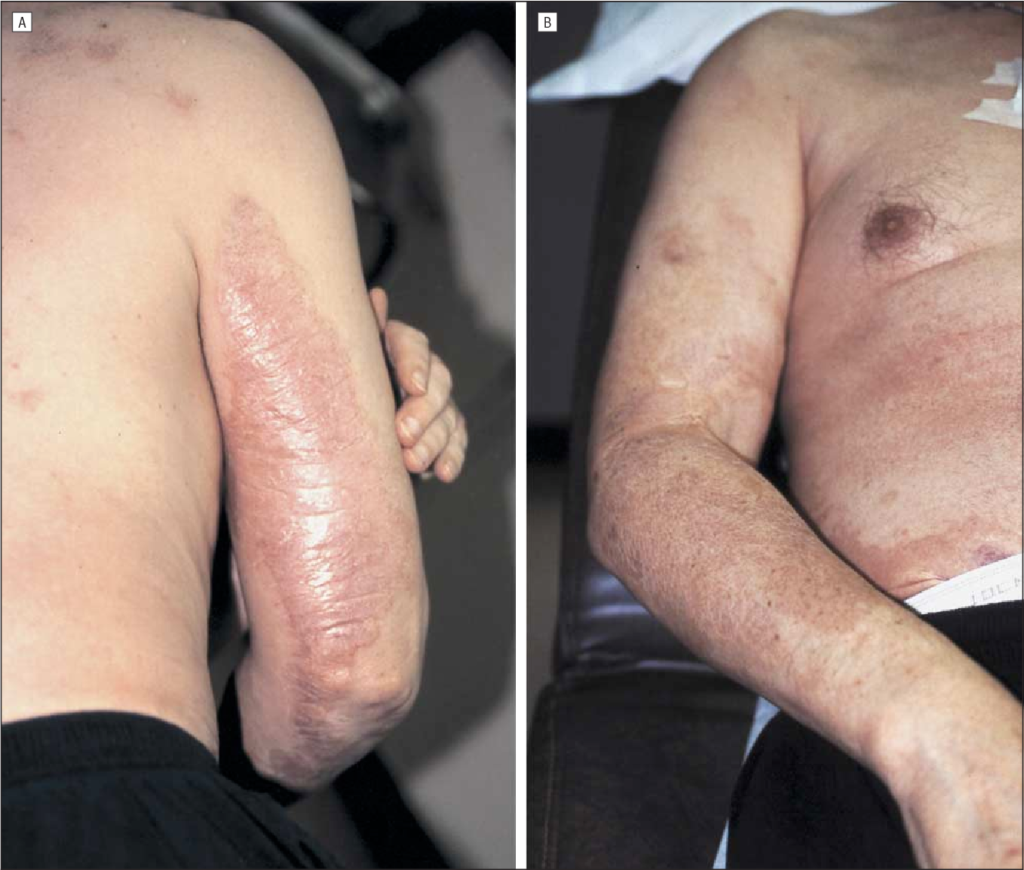
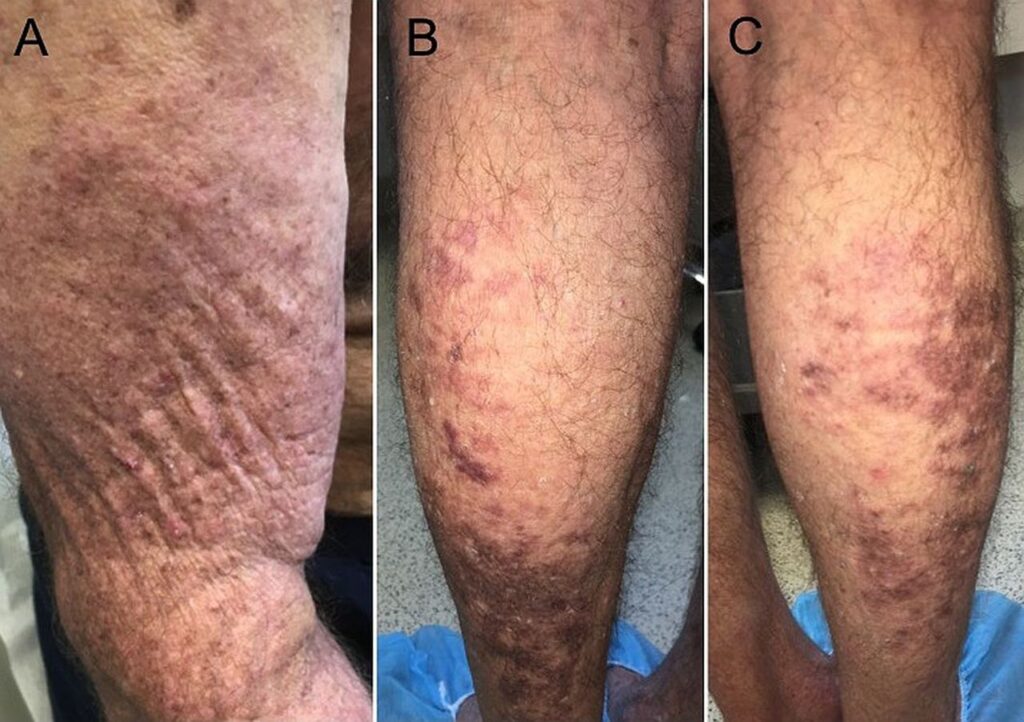
Nephrogenic Systemic Fibrosis (NSF) is a rare disorder that primarily affects people with severe kidney dysfunction. It has been linked to exposure to certain gadolinium-based contrast agents used during MRI scans. The condition causes excessive fibrosis, or scarring, in the skin and connective tissues throughout the body.
Although the disease is rare today due to improved screening procedures and safer contrast agents, it remains an important condition for healthcare professionals to recognize.
How Does It Affect Patients?
NSF often begins with symptoms that may seem relatively mild at first:
Swelling of the arms and legs
Skin tightness
Burning sensations
Itching
Pain in affected areas
Reduced flexibility and mobility
As the disease progresses, the skin can become thickened and hardened, making movement difficult. In severe cases, fibrosis can extend beyond the skin and affect muscles, joints, lungs, heart, and other organs.
Some patients describe feeling as though their skin is tightening around them, significantly impacting their quality of life.
Why Are Kidney Patients at Risk?
Healthy kidneys normally remove gadolinium from the body after an MRI scan. However, in patients with severe kidney impairment, the contrast agent may remain in the body longer than intended.
Researchers discovered a strong association between certain gadolinium-based contrast agents and the development of NSF in patients with advanced kidney disease. This led to major changes in radiology protocols worldwide.
Today, patients are routinely screened for kidney function before receiving contrast-enhanced MRI examinations, dramatically reducing the number of new NSF cases.
Can It Be Treated?
Unfortunately, there is no universally effective cure for NSF.
Current treatment focuses on:
Improving kidney function when possible
Kidney transplantation in suitable candidates
Physical therapy to maintain mobility
Pain management
Various supportive therapies aimed at slowing progression
Research continues, but prevention remains the most effective strategy.
Why This Matters to Interpreters
Medical interpreters are often exposed to rare diseases and complex healthcare discussions that the general public may never encounter.
During calls like these, interpreters must accurately relay terminology involving:
Kidney disease
MRI procedures
Contrast agents
Fibrosis and connective tissue disorders
Treatment options and prognosis
A single misunderstanding could affect a patient's understanding of their condition or treatment plan. This is one reason why medical interpreting requires continuous learning and familiarity with specialized medical vocabulary.
A Reminder About Healthcare Communication
The call that inspired this article serves as a reminder that behind every unfamiliar medical term is a real person facing real challenges.
Whether it is a common condition such as diabetes or a rare disorder like Nephrogenic Systemic Fibrosis, clear communication can make a meaningful difference in a patient's healthcare journey.
As interpreters, we may not provide treatment, but we help ensure that patients can understand their doctors and that doctors can understand their patients. Sometimes, that bridge of communication is just as important as the medical treatment itself.
Educational Videos
For readers who would like to learn more about NSF, these resources provide useful background information:
Disclaimer: This article is intended for educational and awareness purposes only and should not be considered medical advice. Anyone with concerns regarding kidney disease, MRI contrast agents, or related symptoms should consult a qualified healthcare professional.
To help raise awareness about the types of calls interpreters receive, I thought I would share one that recently came through to an interpreter. Many people outside the healthcare industry have never heard of this condition, yet for the patients and families affected by it, the impact can be life-changing.
Nephrogenic Systemic Fibrosis: A Rare but Serious Condition
One of our interpreters recently handled a medical call involving a condition called Nephrogenic Systemic Fibrosis (NSF). The conversation involved a patient with severe kidney disease who was being evaluated for symptoms that had developed after previous medical imaging procedures.
As interpreters, we often encounter medical terminology that most people have never heard before. When these calls come in, we become the bridge between healthcare providers and patients, helping ensure that critical information is communicated accurately and compassionately.
This particular case stood out because NSF is a condition that many people, including some healthcare workers outside nephrology and radiology, may never encounter during their careers.
What Is Nephrogenic Systemic Fibrosis?
Nephrogenic Systemic Fibrosis (NSF) is a rare disorder that primarily affects people with severe kidney dysfunction. It has been linked to exposure to certain gadolinium-based contrast agents used during MRI scans. The condition causes excessive fibrosis, or scarring, in the skin and connective tissues throughout the body.
Although the disease is rare today due to improved screening procedures and safer contrast agents, it remains an important condition for healthcare professionals to recognize.
How Does It Affect Patients?
NSF often begins with symptoms that may seem relatively mild at first:
Swelling of the arms and legs
Skin tightness
Burning sensations
Itching
Pain in affected areas
Reduced flexibility and mobility
As the disease progresses, the skin can become thickened and hardened, making movement difficult. In severe cases, fibrosis can extend beyond the skin and affect muscles, joints, lungs, heart, and other organs.
Some patients describe feeling as though their skin is tightening around them, significantly impacting their quality of life.
Why Are Kidney Patients at Risk?
Healthy kidneys normally remove gadolinium from the body after an MRI scan. However, in patients with severe kidney impairment, the contrast agent may remain in the body longer than intended.
Researchers discovered a strong association between certain gadolinium-based contrast agents and the development of NSF in patients with advanced kidney disease. This led to major changes in radiology protocols worldwide.
Today, patients are routinely screened for kidney function before receiving contrast-enhanced MRI examinations, dramatically reducing the number of new NSF cases.
Can It Be Treated?
Unfortunately, there is no universally effective cure for NSF.
Current treatment focuses on:
Improving kidney function when possible
Kidney transplantation in suitable candidates
Physical therapy to maintain mobility
Pain management
Various supportive therapies aimed at slowing progression
Research continues, but prevention remains the most effective strategy.
Why This Matters to Interpreters
Medical interpreters are often exposed to rare diseases and complex healthcare discussions that the general public may never encounter.
During calls like these, interpreters must accurately relay terminology involving:
Kidney disease
MRI procedures
Contrast agents
Fibrosis and connective tissue disorders
Treatment options and prognosis
A single misunderstanding could affect a patient's understanding of their condition or treatment plan. This is one reason why medical interpreting requires continuous learning and familiarity with specialized medical vocabulary.
A Reminder About Healthcare Communication
The call that inspired this article serves as a reminder that behind every unfamiliar medical term is a real person facing real challenges.
Whether it is a common condition such as diabetes or a rare disorder like Nephrogenic Systemic Fibrosis, clear communication can make a meaningful difference in a patient's healthcare journey.
As interpreters, we may not provide treatment, but we help ensure that patients can understand their doctors and that doctors can understand their patients. Sometimes, that bridge of communication is just as important as the medical treatment itself.
Educational Videos
For readers who would like to learn more about NSF, these resources provide useful background information:
Disclaimer: This article is intended for educational and awareness purposes only and should not be considered medical advice. Anyone with concerns regarding kidney disease, MRI contrast agents, or related symptoms should consult a qualified healthcare professional.
We use cookies to ensure the proper functioning of Behind The Mic, enhance your browsing experience, analyze site traffic, and personalize content. By continuing to access or use this website, you consent to the use of cookies in accordance with our Privacy Policy and applicable international data protection laws.
Functional
Always active
The technical storage or access is strictly necessary for the legitimate purpose of enabling the use of a specific service explicitly requested by the subscriber or user, or for the sole purpose of carrying out the transmission of a communication over an electronic communications network.
Preferences
The technical storage or access is necessary for the legitimate purpose of storing preferences that are not requested by the subscriber or user.
Statistics
The technical storage or access that is used exclusively for statistical purposes.The technical storage or access that is used exclusively for anonymous statistical purposes. Without a subpoena, voluntary compliance on the part of your Internet Service Provider, or additional records from a third party, information stored or retrieved for this purpose alone cannot usually be used to identify you.
Marketing
The technical storage or access is required to create user profiles to send advertising, or to track the user on a website or across several websites for similar marketing purposes.