

1. The Stories We Carry Home
  2. Do We Really Remember Our Past Lives?
  3. Why Interpreters Feel Rusty After a Vacation?
  4. The Blame Game
  5. Your Voice in Mine
  6. Using an Interpreter Effectively
  7. Calls That Keep Me Going
  8. The Voice on the Other End is Human Too
  9. Understanding Stickler Syndrome and Hearing Loss
  10. Vasovagal Syncope
  11. What Is Intraductal Papillary Mucinous Neoplasm (IPMN)?
  12. Nephrogenic Systemic Fibrosis: A Rare but Serious Condition
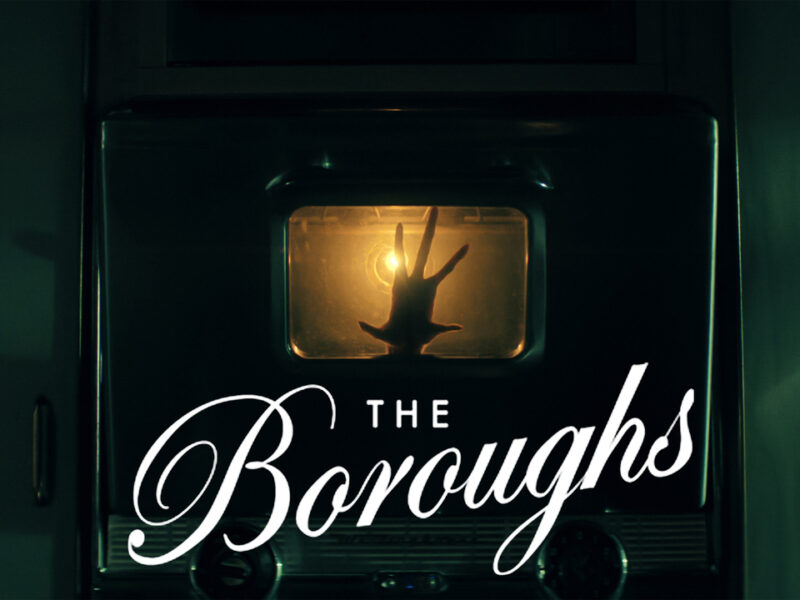
  13. The Boroughs (on Netflix)
  14. 医療通訳業界の限界点
  15. エボラが世界的大流行になる可能性
  16. 医疗口译正在走向崩溃边缘
  17. Unveiling the Science: Can the “Magic German Gel” Really Regrow Cartilage?
  18. 2026埃博拉疫情:这会是下一场全球卫生灾难吗?
  19. COVID Broke the System, What Happens If Ebola Spreads Next?
  20. The Interpreter Industry Is Breaking, But Why?
  21. The Hidden Mental Weight of Working From Home
  22. What a Tunneled Central Venous Catheter (CVC) Taught Me About Healthcare
  23. Finally… Why Coffee Cups Have That Tiny Second Hole
  24. Part 2: The Case of Johnny Somali
  25. The Case of Johnny Somali
  26. Basta de la excusa del “Mercado”, es hora de responder
  27. It’s Time We Respond
  28. Easing Neck and Shoulder Tension for Interpreters
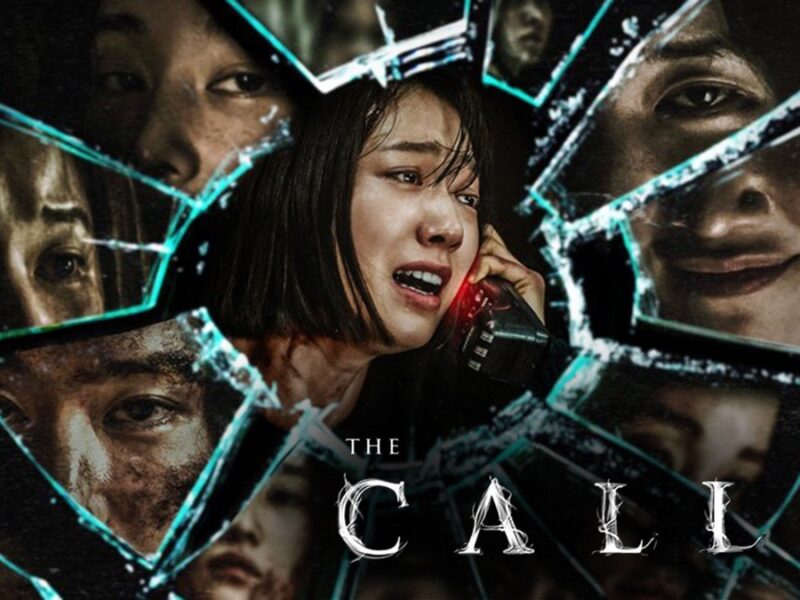
  29. The Call (2020 Netflix)
  30. Calls That Leave Me Speechless and Laughing
  31. Rainy Weekend Reading Playlist
  32. Ghost (1990) – A Love Beyond Time
  33. NORDVPN, YAY? OR NAY?
  34. 有点安静,有点累
  35. Mental Health in an Emotionally Demanding World
  36. Một Case Không Ai Muốn Gặp, Nhưng Ai Cũng Có Thể Gặp
  37. Certified or Not?
  38. Termination? fair or not?
  39. A Call I Won’t Forget
  40. The Reality Behind the Mic
  41. Moments That Leave You Speechless!
  42. I Got Yelled At for Doing My Job
  43. Philadelphia (1993)
  44. Cultural Differences
  45. Face/Off (1997)
  46. Oops They Did It Again – THEY HANG UP!
  47. We are not Recorder
  48. Skincare isn’t a luxury — it’s a necessity.
  49. The Mute Button Betrayal
  50. The Child Translator
  51. Kiss the Girls – A Weekend Throwback
  52. Are We Arguing or Is That Just Cantonese
  53. Is Being Sick an Excuse?
  54. What the Interpreting Industry Needs to Change
  55. Kanbe Ramen (Desa Park City)
  56. Why Interpreters Are Quietly Leaving the Industry
  57. Notes from a Spanish Interpreter
  58. Hoppers (Disney Pixar) Review!
  59. You Don’t Speak Cantonese?
  60. About Us
  61. Team Spirit, Trust, and the Line We Don’t Talk About
  62. Be Seen, Be Heard by Gen Hayashi
  63. The Hidden Reality of the Interpreting Industry
  64. Do People Even Read Anymore?
  65. Super Mario Galaxy Made My Inner 80s Gamer Jump Again!
  66. The Letter
  67. Seeing the World Clearly: Why Eye Care Matters
  68. How Do You Save Every Month?
  69. Where did the music go?
  70. Scary Movie 6: They’re Back!
  71. Grand Theft Auto V still the King!
  72. The Negotiator (1998), Samuel L. Jackson at His Most Intense
  73. A Horror Fan’s Tribute to Junji Ito
  74. Visit Chongqing, China’s Most Mind Bending Mega City
  75. Predator: Badlands, A Review, When a Monster Becomes a Hero
  76. You Learn Who Your Friends Or Team Really Is When You’re Down.
  77. Welcome to Derry: REVIEW
  78. The Cost of being supportive
  79. The Cruel Irony of Helping: When Betrayal Comes from Those You Lifted
  80. ZUMBA with Andrea!
  81. ZUMBA with Andrea! Join her on YouTube!
  82. Interpreting Practice for Mandarin
  83. Interpreting Practice for Cantonese
  84. ZUMBA with Andrea! Join her on TikTok!
  85. These 3 habits silently keep people stuck!
  86. Andrea & Gen’s Language Lah!
  87. Behind The Mic Show – Season 2
  88. Behind The Mic Show – Season 1
  89. Support the Spine, Support the Mind. Ergonomics for Interpreters
  90. Fuel the Brain. What Interpreters Eat and Drink Matters
  91. Your Body Is Your Instrument. Why Interpreters Must Move.
  92. Encouragement for New Interpreters: Embrace the Journey
  93. The Challenges of Being an Interpreter: A Balancing Act
  94. Training the Next Generation of Interpreters, Challenges, Realities, and the Future Workforce
  95. The Quiet Decline of Workplace Friendships
  96. A Glimpse Into Love, Loss, and Quiet Strength
  97. Why Healthcare Should Use AI Interpreters ONLY as Gap Fillers, Not Replacements
  98. Between Empathy and Ethics: Navigating Patient Attitudes in Medical Settings
  99. Interpreting Courtesy: What I Witness Between Words
  100. When Eyes Meet Through the Screen – How VRI Changes the Dynamic
  101. Behind the Words: Interpreting in the Final Hours of Life
  102. Are Emotional Calls Different Between OPI and VRI? An Interpreter’s Perspective
  103. Managing Fast-Paced Interpretation Calls with Hard-of-Hearing LEP Patients and Rapid-Speaking Providers
  104. The Unseen Angels in the Hospital
  105. Opportunities Knock Once Don’t Waste Them
  106. The Podcast Journey: A Wild Ride Worth Every Moment
  107. Look Up!
  108. An Interpreter’s Reflection
  109. The Role of Professionalism and Empathy in Interpretation
  110. Just breathe…
  111. Why We Started a Podcast: More Than Just Tips for Interpreters
  112. Love is…
  113. What Makes an Excellent and Successful Interpreter?
  114. CMS Secret Shopper Test Call Guide
  115. Why do some LEP Individuals pretend to understand English?
  116. Beach days are the best days. Period.
  117. Handling Difficult Situations as a Medical Interpreter
  118. The Future of Interpreters and Translators: Will AI Make us Obsolete?
  119. Life is Strange: The Weight of Goodbye
  120. The Weight of Words: A Medical Interpreter’s Challenge
  121. Who likes Music + Books Combo? Tell me your favorite and why!
  122. The Bone Collector – A Classic Thriller That Still Holds Up
  123. Review: The Pelican Brief – A Gripping Tale of Conspiracy, but How Does the Movie Compare to the Book?
  124. 醫者之橋 (The Bridge of Healing)
  125. Navigating Challenges as a Medical Interpreter: Communication Barriers with Elderly Patients
  126. Life’s Beautiful Mistakes
  127. Reading list: From Emperor to Citizen: The Autobiography of Aisin-Gioro Pu Yi (愛新覺羅·溥儀)
  128. Why Leonardo da Vinci Will Always Be My Favorite Genius
  129. Vision Of A Sunset
  130. When Empathy Meets Ethics: A Challenging Situation as a Medical Interpreter
  131. The World’s Worst Translator | Alternatino
  132. 医療通訳者として、どのようにしてパフォーマンス改善をより深く理解するか
  133. Interpreter Vs The World , Part I
  134. 作为医疗口译员,如何更好地理解绩效改进
  135. Better Understanding Performance Improvement as a Medical Interpreter
  136. Progenic Studios
  137. Introduction to Shirakawa-go: A Timeless Village in Japan
  138. Osaka: The Heartbeat of Kansai, Japan
  139. Kyoto – A Travel Guide
  140. 人生の苦難 Life’s Struggles
  141. 镜中人
  142. Interpreter Before Becoming a Trainer, Team Leader, or Head of Department?
  143. An Interpreter, to be or not to be?
  144. A Tribute to all the interpreters in the world!
  145. Encouragement for New Interpreters: Embrace the Journey
  146. …till death do us part…
  147. 原來婆婆要人𠱁嘅-❤️❤️❤️
  148. The Challenges of Being an Interpreter: A Balancing Act
  149. Random Friday
  150. What If Leadership Is Unsupportive and Unempathetic?
  151. The Call That Changed Me
  152. オンライン医療通訳として働くことについて (About working as a Medical Interpreter)
  153. The Uncertainty of Interpreting: Facing Emotional Challenges
  154. My soothing voice, perhaps?
  155. 幕後英雄:作為口譯員的日常與挑戰
  156. How to Maintain Mental Health as an Interpreter: Staying Strong During the Graveyard Shift
  157. Behind the Screen: The Emotional Journey of an Interpreter
Mon, Aug 10, 2026
  1. The Stories We Carry Home
  2. Do We Really Remember Our Past Lives?
  3. Why Interpreters Feel Rusty After a Vacation?
  4. The Blame Game
  5. Your Voice in Mine
  6. Using an Interpreter Effectively
  7. Calls That Keep Me Going
  8. The Voice on the Other End is Human Too
  9. Understanding Stickler Syndrome and Hearing Loss
  10. Vasovagal Syncope
  11. What Is Intraductal Papillary Mucinous Neoplasm (IPMN)?
  12. Nephrogenic Systemic Fibrosis: A Rare but Serious Condition
  13. The Boroughs (on Netflix)
  14. 医療通訳業界の限界点
  15. エボラが世界的大流行になる可能性
  16. 医疗口译正在走向崩溃边缘
  17. Unveiling the Science: Can the “Magic German Gel” Really Regrow Cartilage?
  18. 2026埃博拉疫情:这会是下一场全球卫生灾难吗?
  19. COVID Broke the System, What Happens If Ebola Spreads Next?
  20. The Interpreter Industry Is Breaking, But Why?
  21. The Hidden Mental Weight of Working From Home
  22. What a Tunneled Central Venous Catheter (CVC) Taught Me About Healthcare
  23. Finally… Why Coffee Cups Have That Tiny Second Hole
  24. Part 2: The Case of Johnny Somali
  25. The Case of Johnny Somali
  26. Basta de la excusa del “Mercado”, es hora de responder
  27. It’s Time We Respond
  28. Easing Neck and Shoulder Tension for Interpreters
  29. The Call (2020 Netflix)
  30. Calls That Leave Me Speechless and Laughing
  31. Rainy Weekend Reading Playlist
  32. Ghost (1990) – A Love Beyond Time
  33. NORDVPN, YAY? OR NAY?
  34. 有点安静,有点累
  35. Mental Health in an Emotionally Demanding World
  36. Một Case Không Ai Muốn Gặp, Nhưng Ai Cũng Có Thể Gặp
  37. Certified or Not?
  38. Termination? fair or not?
  39. A Call I Won’t Forget
  40. The Reality Behind the Mic
  41. Moments That Leave You Speechless!
  42. I Got Yelled At for Doing My Job
  43. Philadelphia (1993)
  44. Cultural Differences
  45. Face/Off (1997)
  46. Oops They Did It Again – THEY HANG UP!
  47. We are not Recorder
  48. Skincare isn’t a luxury — it’s a necessity.
  49. The Mute Button Betrayal
  50. The Child Translator
  51. Kiss the Girls – A Weekend Throwback
  52. Are We Arguing or Is That Just Cantonese
  53. Is Being Sick an Excuse?
  54. What the Interpreting Industry Needs to Change
  55. Kanbe Ramen (Desa Park City)
  56. Why Interpreters Are Quietly Leaving the Industry
  57. Notes from a Spanish Interpreter
  58. Hoppers (Disney Pixar) Review!
  59. You Don’t Speak Cantonese?
  60. About Us
  61. Team Spirit, Trust, and the Line We Don’t Talk About
  62. Be Seen, Be Heard by Gen Hayashi
  63. The Hidden Reality of the Interpreting Industry
  64. Do People Even Read Anymore?
  65. Super Mario Galaxy Made My Inner 80s Gamer Jump Again!
  66. The Letter
  67. Seeing the World Clearly: Why Eye Care Matters
  68. How Do You Save Every Month?
  69. Where did the music go?
  70. Scary Movie 6: They’re Back!
  71. Grand Theft Auto V still the King!
  72. The Negotiator (1998), Samuel L. Jackson at His Most Intense
  73. A Horror Fan’s Tribute to Junji Ito
  74. Visit Chongqing, China’s Most Mind Bending Mega City
  75. Predator: Badlands, A Review, When a Monster Becomes a Hero
  76. You Learn Who Your Friends Or Team Really Is When You’re Down.
  77. Welcome to Derry: REVIEW
  78. The Cost of being supportive
  79. The Cruel Irony of Helping: When Betrayal Comes from Those You Lifted
  80. ZUMBA with Andrea!
  81. ZUMBA with Andrea! Join her on YouTube!
  82. Interpreting Practice for Mandarin
  83. Interpreting Practice for Cantonese
  84. ZUMBA with Andrea! Join her on TikTok!
  85. These 3 habits silently keep people stuck!
  86. Andrea & Gen’s Language Lah!
  87. Behind The Mic Show – Season 2
  88. Behind The Mic Show – Season 1
  89. Support the Spine, Support the Mind. Ergonomics for Interpreters
  90. Fuel the Brain. What Interpreters Eat and Drink Matters
  91. Your Body Is Your Instrument. Why Interpreters Must Move.
  92. Encouragement for New Interpreters: Embrace the Journey
  93. The Challenges of Being an Interpreter: A Balancing Act
  94. Training the Next Generation of Interpreters, Challenges, Realities, and the Future Workforce
  95. The Quiet Decline of Workplace Friendships
  96. A Glimpse Into Love, Loss, and Quiet Strength
  97. Why Healthcare Should Use AI Interpreters ONLY as Gap Fillers, Not Replacements
  98. Between Empathy and Ethics: Navigating Patient Attitudes in Medical Settings
  99. Interpreting Courtesy: What I Witness Between Words
  100. When Eyes Meet Through the Screen – How VRI Changes the Dynamic
  101. Behind the Words: Interpreting in the Final Hours of Life
  102. Are Emotional Calls Different Between OPI and VRI? An Interpreter’s Perspective
  103. Managing Fast-Paced Interpretation Calls with Hard-of-Hearing LEP Patients and Rapid-Speaking Providers
  104. The Unseen Angels in the Hospital
  105. Opportunities Knock Once Don’t Waste Them
  106. The Podcast Journey: A Wild Ride Worth Every Moment
  107. Look Up!
  108. An Interpreter’s Reflection
  109. The Role of Professionalism and Empathy in Interpretation
  110. Just breathe…
  111. Why We Started a Podcast: More Than Just Tips for Interpreters
  112. Love is…
  113. What Makes an Excellent and Successful Interpreter?
  114. CMS Secret Shopper Test Call Guide
  115. Why do some LEP Individuals pretend to understand English?
  116. Beach days are the best days. Period.
  117. Handling Difficult Situations as a Medical Interpreter
  118. The Future of Interpreters and Translators: Will AI Make us Obsolete?
  119. Life is Strange: The Weight of Goodbye
  120. The Weight of Words: A Medical Interpreter’s Challenge
  121. Who likes Music + Books Combo? Tell me your favorite and why!
  122. The Bone Collector – A Classic Thriller That Still Holds Up
  123. Review: The Pelican Brief – A Gripping Tale of Conspiracy, but How Does the Movie Compare to the Book?
  124. 醫者之橋 (The Bridge of Healing)
  125. Navigating Challenges as a Medical Interpreter: Communication Barriers with Elderly Patients
  126. Life’s Beautiful Mistakes
  127. Reading list: From Emperor to Citizen: The Autobiography of Aisin-Gioro Pu Yi (愛新覺羅·溥儀)
  128. Why Leonardo da Vinci Will Always Be My Favorite Genius
  129. Vision Of A Sunset
  130. When Empathy Meets Ethics: A Challenging Situation as a Medical Interpreter
  131. The World’s Worst Translator | Alternatino
  132. 医療通訳者として、どのようにしてパフォーマンス改善をより深く理解するか
  133. Interpreter Vs The World , Part I
  134. 作为医疗口译员,如何更好地理解绩效改进
  135. Better Understanding Performance Improvement as a Medical Interpreter
  136. Progenic Studios
  137. Introduction to Shirakawa-go: A Timeless Village in Japan
  138. Osaka: The Heartbeat of Kansai, Japan
  139. Kyoto – A Travel Guide
  140. 人生の苦難 Life’s Struggles
  141. 镜中人
  142. Interpreter Before Becoming a Trainer, Team Leader, or Head of Department?
  143. An Interpreter, to be or not to be?
  144. A Tribute to all the interpreters in the world!
  145. Encouragement for New Interpreters: Embrace the Journey
  146. …till death do us part…
  147. 原來婆婆要人𠱁嘅-❤️❤️❤️
  148. The Challenges of Being an Interpreter: A Balancing Act
  149. Random Friday
  150. What If Leadership Is Unsupportive and Unempathetic?
  151. The Call That Changed Me
  152. オンライン医療通訳として働くことについて (About working as a Medical Interpreter)
  153. The Uncertainty of Interpreting: Facing Emotional Challenges
  154. My soothing voice, perhaps?
  155. 幕後英雄:作為口譯員的日常與挑戰
  156. How to Maintain Mental Health as an Interpreter: Staying Strong During the Graveyard Shift
  157. Behind the Screen: The Emotional Journey of an Interpreter

Every time communication breaks down during a medical encounter, someone inevitably asks the same question: Whose fault was it? Was it the interpreter who chose the wrong words? Was it the healthcare provider who explained something poorly? Was it the patient who misunderstood? Was it the Language Service Provider that hired an underqualified interpreter? Or was it simply the inevitable consequence of trying to bridge two languages, two cultures, and two very different ways of understanding the world?

Recently, I came across an online discussion among medical interpreters that perfectly illustrated how divided our profession can be on this subject. One interpreter shared that patients had repeatedly expressed concerns about the language proficiency of some interpreters and even asked whether they could request the same interpreter for future appointments because they believed previous encounters had affected the quality of their medical care.

The responses that followed were fascinating because no two interpreters seemed to agree on the root of the problem. One interpreter argued that it is often impossible to determine whether an interpreter truly lacks proficiency or whether the patient simply expected to hear something phrased differently. Without reviewing the encounter objectively, distinguishing between poor interpretation and ordinary misunderstanding is remarkably difficult.

Another interpreter believed the issue runs much deeper. In their experience, some Language Service Providers deliberately recruit underqualified bilingual individuals because they can pay them less, providing little more than basic training before assigning them to medical encounters where accuracy can directly affect patient safety. They argued that interpreter shortages and cost pressures have encouraged some companies to prioritize availability over competence.

Not everyone agreed. Another experienced interpreter shared that after many years in the profession, they had encountered countless situations where patients insisted the interpretation was incorrect, only for the healthcare provider to confirm that the interpreter had conveyed the message accurately. Patients, particularly in stressful medical situations, may misunderstand information, remember conversations differently, or disagree with what they hear without the interpretation itself being inaccurate.

The discussion became even more interesting when Spanish interpreters offered differing perspectives. One argued that many communication problems stem from patients who primarily speak regional dialects or indigenous languages while using Spanish as a second language. According to that view, patients often mix verb tenses, create non-standard expressions, or use regional vocabulary that differs significantly from standardized medical Spanish, making misunderstandings far more likely. Another interpreter strongly disagreed, explaining that despite being a non-native Spanish speaker, they rarely struggled to understand patients and instead believed the larger issue was the widespread employment of underqualified interpreters by companies seeking to reduce costs.

As I continued reading, something became increasingly clear. Every interpreter was describing genuine experiences, yet each arrived at a different conclusion. Rather than proving that one person was right and another was wrong, the discussion revealed something much more important: communication failures rarely have a single cause.

One of the greatest misconceptions about interpreting is the belief that bilingualism automatically makes someone qualified to interpret. Speaking two languages is certainly essential, but it is only the beginning. Professional interpreters must process information in real time while preserving meaning, tone, intent, register, cultural nuance, medical terminology, and ethical standards. They must know when clarification is necessary, when neutrality is required, and when their role demands that they faithfully convey an imperfect message rather than improve it. Those skills are developed through training, practice, and experience rather than language proficiency alone.

This naturally raises another uncomfortable question. Are some Language Service Providers lowering their hiring standards? Some interpreters certainly believe so, pointing to staffing shortages, increasing demand, and financial pressures that may encourage hiring less experienced bilingual speakers. Others caution against painting the entire industry with the same brush, noting that many providers continue to invest heavily in certification, mentoring, quality assurance, and continuing education. Like most industries, language services include organizations that strive for excellence and others that operate under significant operational pressures. The reality is unlikely to fit neatly into either narrative.

While reading the discussion, I found myself thinking about something that rarely enters these debates. Many healthcare providers receive little formal training on how to communicate through an interpreter. They may speak in long uninterrupted paragraphs, interrupt themselves halfway through a sentence, correct their own instructions several times, switch topics unexpectedly, or use vague pronouns without realizing that every ambiguity must also be interpreted. When this happens, the interpreter is not receiving a clear message to begin with.

Professional ethics make these situations particularly challenging. Interpreters are not editors, speechwriters, or participants in the conversation. If a provider accidentally misspeaks or contradicts themselves, our responsibility is not to quietly decide what they probably meant. We are required to faithfully interpret what was actually said and request clarification whenever the original message itself is unclear. Although this distinction may appear subtle, it is one of the foundations of professional interpreting. Accuracy does not mean correcting people. Accuracy means representing their communication honestly, even when that communication is imperfect.

There is another layer to this discussion that I rarely see mentioned outside the profession. In my own experience as a Cantonese medical interpreter, communication challenges are often shaped by the patient’s linguistic background rather than by the interpreter’s ability. Many patients identify themselves as Cantonese speakers, but that description alone tells us very little about how they actually communicate.

Some patients grew up speaking Hong Kong Cantonese, while others speak varieties from Guangdong. Others come from Vietnamese Chinese or other Southeast Asian Chinese communities where Cantonese has evolved alongside local languages over several generations. Many understand and speak conversational Cantonese comfortably enough for everyday life, but their proficiency may not extend to higher-register language, particularly when discussing complex medical conditions. This is not necessarily a reflection of intelligence or willingness to communicate. For many elderly patients in their seventies or eighties, limited educational opportunities due to poverty, war, migration, or difficult life circumstances meant they never developed the vocabulary needed for formal or technical discussions, even in their strongest language.

There are also many Toishanese speakers who naturally alternate between Toishanese and Cantonese depending on the situation. Because qualified Toishanese interpreters are extremely difficult to find, healthcare facilities frequently rely on Cantonese interpreters as the closest available match. In many cases, patients themselves request Cantonese because they genuinely believe they can communicate effectively. That assumption often holds true during everyday conversation but becomes much more challenging when discussing diagnoses, treatment options, informed consent, or complicated medical terminology.

Medical terminology quickly exposes this gap. A patient may comfortably discuss family, work, food, or daily routines in Cantonese but become completely lost when confronted with a diagnosis such as familial hypercholesterolemia. Even if I accurately interpret the medically correct Cantonese terminology, the patient may have absolutely no idea what those words mean because they have never encountered them before. With the healthcare provider’s approval, I may then explain the condition using simpler, everyday Cantonese so the patient understands the concept rather than simply hearing unfamiliar terminology. At that point, an interesting question emerges. Does simplifying the explanation reflect poor interpreting, or does it demonstrate professional judgment aimed at achieving meaningful communication while remaining within ethical boundaries?

Perhaps one of the biggest misconceptions in healthcare is the assumption that saying, “I speak Cantonese,” or “I speak Spanish,” guarantees the same level of comprehension for every conversation. In reality, everyday fluency and medical literacy are not the same thing, even within one’s strongest language. The ability to chat with family members, order food, or discuss daily life does not automatically translate into understanding complex discussions about genetics, oncology, cardiology, or informed consent.

Perhaps the most difficult reality for interpreters is that we are often judged by outcomes we do not control. If a provider explains something poorly, we must interpret it faithfully. If a patient misunderstands despite an accurate interpretation, we may still appear responsible because every word reached the patient through our voice. If technology fails, if a dialect mismatch exists, or if the conversation itself lacks clarity, the interpreter frequently becomes the most visible person in the communication chain. Success, on the other hand, often goes unnoticed. The better we perform our job, the less anyone notices we were ever there.

After years of working as a medical interpreter, I no longer believe the most important question is whether Language Service Providers are cutting corners. That question certainly deserves discussion, particularly if hiring practices compromise patient safety, but it does not explain every communication failure that occurs in healthcare. The more I interpret, the more I realize that communication is a shared responsibility carried by everyone involved. Providers must communicate clearly. Interpreters must remain accurate and ethical. Patients should be encouraged to express when they do not understand rather than feeling embarrassed to ask questions. Language Service Providers should invest in competent professionals, meaningful training, and robust quality assurance. Healthcare organizations should also educate their staff on how to work effectively with interpreters instead of assuming the interpreter can compensate for every weakness in the communication process.

Perhaps our greatest mistake is believing that every communication failure must have a single cause and a single person to blame. Real conversations are shaped by language, education, culture, emotion, dialect, migration history, technology, health literacy, and the simple reality that human beings are imperfect communicators, even when everyone speaks the same language.

So perhaps the real question is not whether Language Service Providers are cutting corners. Perhaps the real question is whether we have been looking at the wrong problem all along. As long as we continue searching for a single person to blame, whether it is the interpreter, the patient, the provider, or the Language Service Provider, we risk overlooking the far more uncomfortable truth. Communication has always been a shared responsibility, and meaningful solutions will only emerge when we are willing to examine the entire system rather than its most visible participant.

Klook.com
Tags: , ,
Medical interpreter. Passionate and always ready to assist, he is also a blogger, Podcaster, and musician sharing life around interpreting. Drawing from years of real-world interpreting experience, he writes about the evolving realities of the language services industry, interpreter working conditions, and the future of language access. DISCLAIMER: The views and opinions expressed in this article are solely my own and do not represent the views, policies, or positions of anyone or any organization I may be affiliated with.

Related Article

0 Comments

Leave a Comment

Are you human? Please solve:Captcha


img advertisement

TRAVEL AFFILIATE

KLOOK DEALS!

Klook.com

BASK BEAR COFFEE!

NEW SHOW COMING SOON!

img advertisement

BTM MUST HAVE

img advertisement

QUOTES

img advertisement
img advertisement

TRAVEL AFFILIATE

KLOOK DEALS!

Klook.com

BASK BEAR COFFEE!

NEW SHOW COMING SOON!

img advertisement

BTM MUST HAVE

img advertisement

QUOTES

img advertisement