1. How Do You Move On When Someone Hasn’t Really Let You Go?
  2. Walking Away From My Family to Find My Peace.
  3. Being an Interpreter
  4. Let Me Finish
  5. Stuart Fails to Save the Universe
  6. When I’m No Longer Here
  7. The Stories We Carry Home
  8. Do We Really Remember Our Past Lives?
  9. Why Interpreters Feel Rusty After a Vacation?
  10. The Blame Game
  11. Your Voice in Mine
  12. Using an Interpreter Effectively
  13. Calls That Keep Me Going
  14. The Voice on the Other End is Human Too
  15. Understanding Stickler Syndrome and Hearing Loss
  16. Vasovagal Syncope
  17. What Is Intraductal Papillary Mucinous Neoplasm (IPMN)?
  18. Nephrogenic Systemic Fibrosis: A Rare but Serious Condition
  19. The Boroughs (on Netflix)
  20. 医療通訳業界の限界点
  21. エボラが世界的大流行になる可能性
  22. 医疗口译正在走向崩溃边缘
  23. Unveiling the Science: Can the “Magic German Gel” Really Regrow Cartilage?
  24. 2026埃博拉疫情:这会是下一场全球卫生灾难吗?
  25. COVID Broke the System, What Happens If Ebola Spreads Next?
  26. The Interpreter Industry Is Breaking, But Why?
  27. The Hidden Mental Weight of Working From Home
  28. What a Tunneled Central Venous Catheter (CVC) Taught Me About Healthcare
  29. Finally… Why Coffee Cups Have That Tiny Second Hole
  30. Part 2: The Case of Johnny Somali
  31. The Case of Johnny Somali
  32. Basta de la excusa del “Mercado”, es hora de responder
  33. It’s Time We Respond
  34. Easing Neck and Shoulder Tension for Interpreters
  35. The Call (2020 Netflix)
  36. Calls That Leave Me Speechless and Laughing
  37. Rainy Weekend Reading Playlist
  38. Ghost (1990) – A Love Beyond Time
  39. NORDVPN, YAY? OR NAY?
  40. 有点安静,有点累
  41. Mental Health in an Emotionally Demanding World
  42. Một Case Không Ai Muốn Gặp, Nhưng Ai Cũng Có Thể Gặp
  43. Certified or Not?
  44. Termination? fair or not?
  45. A Call I Won’t Forget
  46. The Reality Behind the Mic
  47. Moments That Leave You Speechless!
  48. I Got Yelled At for Doing My Job
  49. Philadelphia (1993)
  50. Cultural Differences
  51. Face/Off (1997)
  52. Oops They Did It Again – THEY HANG UP!
  53. We are not Recorder
  54. Skincare isn’t a luxury — it’s a necessity.
  55. The Mute Button Betrayal
  56. The Child Translator
  57. Kiss the Girls – A Weekend Throwback
  58. Are We Arguing or Is That Just Cantonese
  59. Is Being Sick an Excuse?
  60. What the Interpreting Industry Needs to Change
  61. Kanbe Ramen (Desa Park City)
  62. Why Interpreters Are Quietly Leaving the Industry
  63. Notes from a Spanish Interpreter
  64. Hoppers (Disney Pixar) Review!
  65. You Don’t Speak Cantonese?
  66. About Us
  67. Team Spirit, Trust, and the Line We Don’t Talk About
  68. Be Seen, Be Heard by Gen Hayashi
  69. The Hidden Reality of the Interpreting Industry
  70. Do People Even Read Anymore?
  71. Super Mario Galaxy Made My Inner 80s Gamer Jump Again!
  72. The Letter
  73. Seeing the World Clearly: Why Eye Care Matters
  74. How Do You Save Every Month?
  75. Where did the music go?
  76. Scary Movie 6: They’re Back!
  77. Grand Theft Auto V still the King!
  78. The Negotiator (1998), Samuel L. Jackson at His Most Intense
  79. A Horror Fan’s Tribute to Junji Ito
  80. Visit Chongqing, China’s Most Mind Bending Mega City
  81. Predator: Badlands, A Review, When a Monster Becomes a Hero
  82. You Learn Who Your Friends Or Team Really Is When You’re Down.
  83. Welcome to Derry: REVIEW
  84. The Cost of being supportive
  85. The Cruel Irony of Helping: When Betrayal Comes from Those You Lifted
  86. ZUMBA with Andrea!
  87. ZUMBA with Andrea! Join her on YouTube!
  88. Interpreting Practice for Mandarin
  89. Interpreting Practice for Cantonese
  90. ZUMBA with Andrea! Join her on TikTok!
  91. These 3 habits silently keep people stuck!
  92. Andrea & Gen’s Language Lah!
  93. Behind The Mic Show – Season 2
  94. Behind The Mic Show – Season 1
  95. Support the Spine, Support the Mind. Ergonomics for Interpreters
  96. Fuel the Brain. What Interpreters Eat and Drink Matters
  97. Your Body Is Your Instrument. Why Interpreters Must Move.
  98. Encouragement for New Interpreters: Embrace the Journey
  99. The Challenges of Being an Interpreter: A Balancing Act
  100. Training the Next Generation of Interpreters, Challenges, Realities, and the Future Workforce
  101. The Quiet Decline of Workplace Friendships
  102. A Glimpse Into Love, Loss, and Quiet Strength
  103. Why Healthcare Should Use AI Interpreters ONLY as Gap Fillers, Not Replacements
  104. Between Empathy and Ethics: Navigating Patient Attitudes in Medical Settings
  105. Interpreting Courtesy: What I Witness Between Words
  106. When Eyes Meet Through the Screen – How VRI Changes the Dynamic
  107. Behind the Words: Interpreting in the Final Hours of Life
  108. Are Emotional Calls Different Between OPI and VRI? An Interpreter’s Perspective
  109. Managing Fast-Paced Interpretation Calls with Hard-of-Hearing LEP Patients and Rapid-Speaking Providers
  110. The Unseen Angels in the Hospital
  111. Opportunities Knock Once Don’t Waste Them
  112. The Podcast Journey: A Wild Ride Worth Every Moment
  113. Look Up!
  114. An Interpreter’s Reflection
  115. The Role of Professionalism and Empathy in Interpretation
  116. Just breathe…
  117. Why We Started a Podcast: More Than Just Tips for Interpreters
  118. Love is…
  119. What Makes an Excellent and Successful Interpreter?
  120. CMS Secret Shopper Test Call Guide
  121. Why do some LEP Individuals pretend to understand English?
  122. Beach days are the best days. Period.
  123. Handling Difficult Situations as a Medical Interpreter
  124. The Future of Interpreters and Translators: Will AI Make us Obsolete?
  125. Life is Strange: The Weight of Goodbye
  126. The Weight of Words: A Medical Interpreter’s Challenge
  127. Who likes Music + Books Combo? Tell me your favorite and why!
  128. The Bone Collector – A Classic Thriller That Still Holds Up
  129. Review: The Pelican Brief – A Gripping Tale of Conspiracy, but How Does the Movie Compare to the Book?
  130. 醫者之橋 (The Bridge of Healing)
  131. Navigating Challenges as a Medical Interpreter: Communication Barriers with Elderly Patients
  132. Life’s Beautiful Mistakes
  133. Reading list: From Emperor to Citizen: The Autobiography of Aisin-Gioro Pu Yi (愛新覺羅·溥儀)
  134. Why Leonardo da Vinci Will Always Be My Favorite Genius
  135. Vision Of A Sunset
  136. When Empathy Meets Ethics: A Challenging Situation as a Medical Interpreter
  137. The World’s Worst Translator | Alternatino
  138. 医療通訳者として、どのようにしてパフォーマンス改善をより深く理解するか
  139. Interpreter Vs The World , Part I
  140. 作为医疗口译员,如何更好地理解绩效改进
  141. Better Understanding Performance Improvement as a Medical Interpreter
  142. Progenic Studios
  143. Introduction to Shirakawa-go: A Timeless Village in Japan
  144. Osaka: The Heartbeat of Kansai, Japan
  145. Kyoto – A Travel Guide
  146. 人生の苦難 Life’s Struggles
  147. 镜中人
  148. Interpreter Before Becoming a Trainer, Team Leader, or Head of Department?
  149. An Interpreter, to be or not to be?
  150. A Tribute to all the interpreters in the world!
  151. Encouragement for New Interpreters: Embrace the Journey
  152. …till death do us part…
  153. 原來婆婆要人𠱁嘅-❤️❤️❤️
  154. The Challenges of Being an Interpreter: A Balancing Act
  155. Random Friday
  156. What If Leadership Is Unsupportive and Unempathetic?
  157. The Call That Changed Me
  158. オンライン医療通訳として働くことについて (About working as a Medical Interpreter)
  159. The Uncertainty of Interpreting: Facing Emotional Challenges
  160. My soothing voice, perhaps?
  161. 幕後英雄:作為口譯員的日常與挑戰
  162. How to Maintain Mental Health as an Interpreter: Staying Strong During the Graveyard Shift
  163. Behind the Screen: The Emotional Journey of an Interpreter
Wed, Nov 4, 2026
  1. How Do You Move On When Someone Hasn’t Really Let You Go?
  2. Walking Away From My Family to Find My Peace.
  3. Being an Interpreter
  4. Let Me Finish
  5. Stuart Fails to Save the Universe
  6. When I’m No Longer Here
  7. The Stories We Carry Home
  8. Do We Really Remember Our Past Lives?
  9. Why Interpreters Feel Rusty After a Vacation?
  10. The Blame Game
  11. Your Voice in Mine
  12. Using an Interpreter Effectively
  13. Calls That Keep Me Going
  14. The Voice on the Other End is Human Too
  15. Understanding Stickler Syndrome and Hearing Loss
  16. Vasovagal Syncope
  17. What Is Intraductal Papillary Mucinous Neoplasm (IPMN)?
  18. Nephrogenic Systemic Fibrosis: A Rare but Serious Condition
  19. The Boroughs (on Netflix)
  20. 医療通訳業界の限界点
  21. エボラが世界的大流行になる可能性
  22. 医疗口译正在走向崩溃边缘
  23. Unveiling the Science: Can the “Magic German Gel” Really Regrow Cartilage?
  24. 2026埃博拉疫情:这会是下一场全球卫生灾难吗?
  25. COVID Broke the System, What Happens If Ebola Spreads Next?
  26. The Interpreter Industry Is Breaking, But Why?
  27. The Hidden Mental Weight of Working From Home
  28. What a Tunneled Central Venous Catheter (CVC) Taught Me About Healthcare
  29. Finally… Why Coffee Cups Have That Tiny Second Hole
  30. Part 2: The Case of Johnny Somali
  31. The Case of Johnny Somali
  32. Basta de la excusa del “Mercado”, es hora de responder
  33. It’s Time We Respond
  34. Easing Neck and Shoulder Tension for Interpreters
  35. The Call (2020 Netflix)
  36. Calls That Leave Me Speechless and Laughing
  37. Rainy Weekend Reading Playlist
  38. Ghost (1990) – A Love Beyond Time
  39. NORDVPN, YAY? OR NAY?
  40. 有点安静,有点累
  41. Mental Health in an Emotionally Demanding World
  42. Một Case Không Ai Muốn Gặp, Nhưng Ai Cũng Có Thể Gặp
  43. Certified or Not?
  44. Termination? fair or not?
  45. A Call I Won’t Forget
  46. The Reality Behind the Mic
  47. Moments That Leave You Speechless!
  48. I Got Yelled At for Doing My Job
  49. Philadelphia (1993)
  50. Cultural Differences
  51. Face/Off (1997)
  52. Oops They Did It Again – THEY HANG UP!
  53. We are not Recorder
  54. Skincare isn’t a luxury — it’s a necessity.
  55. The Mute Button Betrayal
  56. The Child Translator
  57. Kiss the Girls – A Weekend Throwback
  58. Are We Arguing or Is That Just Cantonese
  59. Is Being Sick an Excuse?
  60. What the Interpreting Industry Needs to Change
  61. Kanbe Ramen (Desa Park City)
  62. Why Interpreters Are Quietly Leaving the Industry
  63. Notes from a Spanish Interpreter
  64. Hoppers (Disney Pixar) Review!
  65. You Don’t Speak Cantonese?
  66. About Us
  67. Team Spirit, Trust, and the Line We Don’t Talk About
  68. Be Seen, Be Heard by Gen Hayashi
  69. The Hidden Reality of the Interpreting Industry
  70. Do People Even Read Anymore?
  71. Super Mario Galaxy Made My Inner 80s Gamer Jump Again!
  72. The Letter
  73. Seeing the World Clearly: Why Eye Care Matters
  74. How Do You Save Every Month?
  75. Where did the music go?
  76. Scary Movie 6: They’re Back!
  77. Grand Theft Auto V still the King!
  78. The Negotiator (1998), Samuel L. Jackson at His Most Intense
  79. A Horror Fan’s Tribute to Junji Ito
  80. Visit Chongqing, China’s Most Mind Bending Mega City
  81. Predator: Badlands, A Review, When a Monster Becomes a Hero
  82. You Learn Who Your Friends Or Team Really Is When You’re Down.
  83. Welcome to Derry: REVIEW
  84. The Cost of being supportive
  85. The Cruel Irony of Helping: When Betrayal Comes from Those You Lifted
  86. ZUMBA with Andrea!
  87. ZUMBA with Andrea! Join her on YouTube!
  88. Interpreting Practice for Mandarin
  89. Interpreting Practice for Cantonese
  90. ZUMBA with Andrea! Join her on TikTok!
  91. These 3 habits silently keep people stuck!
  92. Andrea & Gen’s Language Lah!
  93. Behind The Mic Show – Season 2
  94. Behind The Mic Show – Season 1
  95. Support the Spine, Support the Mind. Ergonomics for Interpreters
  96. Fuel the Brain. What Interpreters Eat and Drink Matters
  97. Your Body Is Your Instrument. Why Interpreters Must Move.
  98. Encouragement for New Interpreters: Embrace the Journey
  99. The Challenges of Being an Interpreter: A Balancing Act
  100. Training the Next Generation of Interpreters, Challenges, Realities, and the Future Workforce
  101. The Quiet Decline of Workplace Friendships
  102. A Glimpse Into Love, Loss, and Quiet Strength
  103. Why Healthcare Should Use AI Interpreters ONLY as Gap Fillers, Not Replacements
  104. Between Empathy and Ethics: Navigating Patient Attitudes in Medical Settings
  105. Interpreting Courtesy: What I Witness Between Words
  106. When Eyes Meet Through the Screen – How VRI Changes the Dynamic
  107. Behind the Words: Interpreting in the Final Hours of Life
  108. Are Emotional Calls Different Between OPI and VRI? An Interpreter’s Perspective
  109. Managing Fast-Paced Interpretation Calls with Hard-of-Hearing LEP Patients and Rapid-Speaking Providers
  110. The Unseen Angels in the Hospital
  111. Opportunities Knock Once Don’t Waste Them
  112. The Podcast Journey: A Wild Ride Worth Every Moment
  113. Look Up!
  114. An Interpreter’s Reflection
  115. The Role of Professionalism and Empathy in Interpretation
  116. Just breathe…
  117. Why We Started a Podcast: More Than Just Tips for Interpreters
  118. Love is…
  119. What Makes an Excellent and Successful Interpreter?
  120. CMS Secret Shopper Test Call Guide
  121. Why do some LEP Individuals pretend to understand English?
  122. Beach days are the best days. Period.
  123. Handling Difficult Situations as a Medical Interpreter
  124. The Future of Interpreters and Translators: Will AI Make us Obsolete?
  125. Life is Strange: The Weight of Goodbye
  126. The Weight of Words: A Medical Interpreter’s Challenge
  127. Who likes Music + Books Combo? Tell me your favorite and why!
  128. The Bone Collector – A Classic Thriller That Still Holds Up
  129. Review: The Pelican Brief – A Gripping Tale of Conspiracy, but How Does the Movie Compare to the Book?
  130. 醫者之橋 (The Bridge of Healing)
  131. Navigating Challenges as a Medical Interpreter: Communication Barriers with Elderly Patients
  132. Life’s Beautiful Mistakes
  133. Reading list: From Emperor to Citizen: The Autobiography of Aisin-Gioro Pu Yi (愛新覺羅·溥儀)
  134. Why Leonardo da Vinci Will Always Be My Favorite Genius
  135. Vision Of A Sunset
  136. When Empathy Meets Ethics: A Challenging Situation as a Medical Interpreter
  137. The World’s Worst Translator | Alternatino
  138. 医療通訳者として、どのようにしてパフォーマンス改善をより深く理解するか
  139. Interpreter Vs The World , Part I
  140. 作为医疗口译员,如何更好地理解绩效改进
  141. Better Understanding Performance Improvement as a Medical Interpreter
  142. Progenic Studios
  143. Introduction to Shirakawa-go: A Timeless Village in Japan
  144. Osaka: The Heartbeat of Kansai, Japan
  145. Kyoto – A Travel Guide
  146. 人生の苦難 Life’s Struggles
  147. 镜中人
  148. Interpreter Before Becoming a Trainer, Team Leader, or Head of Department?
  149. An Interpreter, to be or not to be?
  150. A Tribute to all the interpreters in the world!
  151. Encouragement for New Interpreters: Embrace the Journey
  152. …till death do us part…
  153. 原來婆婆要人𠱁嘅-❤️❤️❤️
  154. The Challenges of Being an Interpreter: A Balancing Act
  155. Random Friday
  156. What If Leadership Is Unsupportive and Unempathetic?
  157. The Call That Changed Me
  158. オンライン医療通訳として働くことについて (About working as a Medical Interpreter)
  159. The Uncertainty of Interpreting: Facing Emotional Challenges
  160. My soothing voice, perhaps?
  161. 幕後英雄:作為口譯員的日常與挑戰
  162. How to Maintain Mental Health as an Interpreter: Staying Strong During the Graveyard Shift
  163. Behind the Screen: The Emotional Journey of an Interpreter

What does it mean to be an interpreter? After years of taking calls, training interpreters, and learning from those around me, I’ve come to realize that speaking another language is only the beginning.

People often ask me, “What’s it like being an interpreter?”

It’s a question I’ve heard countless times. Most people assume that being proficient in two or three maybe four languages is more than enough to qualify for the job. After all, you understand one language, you understand another, and your job is to help people communicate between the two. How difficult could that possibly be?

Well, if only it were that simple.

Over the past few years, I’ve experienced this profession from several perspectives. I started as a trainee, moved into the early stages of taking calls, gradually found my footing, and eventually took on the responsibility of becoming an In-Language Facilitator (ILF) trainer.

Looking back, each stage has taught me something different. More importantly, I’ve come to understand that interpreting is about much more than knowing the right words.

Remembering Where It All Started

I still remember being a trainee and having to absorb an incredible amount of information. There were terminology lists to study, protocols to understand, call flows to remember, and exercises to complete before finally getting the opportunity to take real calls.

But there is a considerable difference between understanding something in a training environment and applying it when two people are waiting on the other end of the line.

Suddenly, there are no prepared exercises or familiar scenarios. You are listening to real people with real concerns, sometimes under circumstances that are far from ideal. You have to process what is being said, retain the information, find the appropriate terminology, and deliver the interpretation accurately, all while keeping the conversation moving.

Those first few calls can be quite an experience.

A speaker might talk quickly, someone might use an unfamiliar expression, or another might deliver a long explanation without pausing for breath. You could encounter an accent you aren’t accustomed to, a medical term you’ve never heard before, or a situation that requires you to remain composed while everyone else is feeling overwhelmed.

That’s when you begin to understand the difference between being bilingual in everyday life and being bilingual in a professional environment where accuracy matters.

With experience, you gradually develop confidence. You become familiar with the rhythm of conversations, learn when to intervene, when to request clarification, and how to manage situations without disrupting the flow of communication.

You make mistakes, receive feedback, and occasionally finish a difficult call wondering whether you could have handled it better.

Then you come back for the next one.

That’s part of the journey.

The Reality Behind the Headset

I would love to say that every call is straightforward, every conversation flows beautifully, and everyone understands the importance of working with an interpreter.

Unfortunately, that would be sugar and spice and everything nice, and we all know that’s not how this profession works.

There are calls that test your patience, conversations where people speak over one another, callers who refuse to pause, unfamiliar terminology, and technical difficulties. Some days are mentally exhausting, while others can be emotionally demanding.

Then there are the calls that stay with you long after you’ve disconnected.

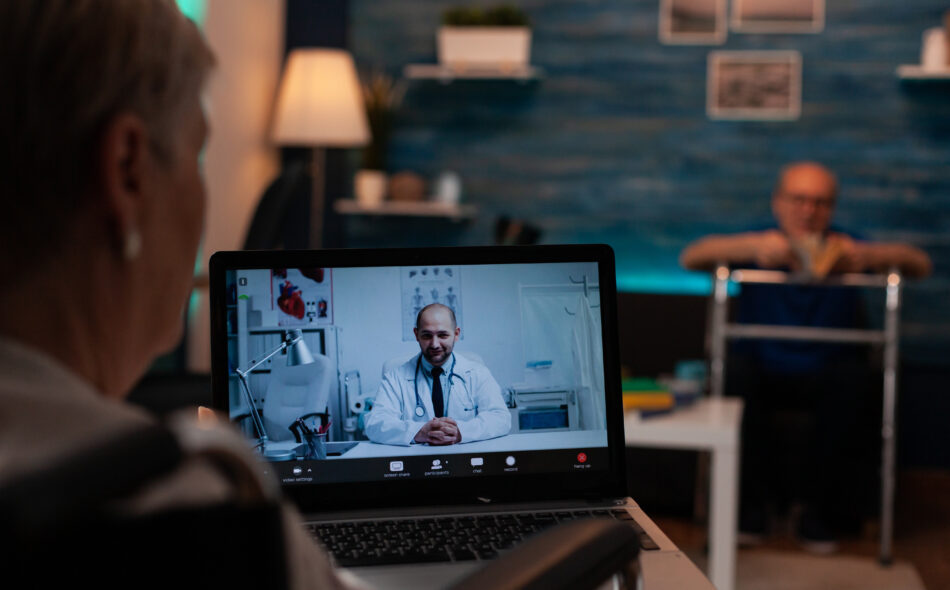
Working in medical interpretation, in particular, exposes you to moments of vulnerability that most people rarely experience. You might find yourself interpreting for someone receiving difficult medical news, a patient in distress, a family discussing end-of-life care, or someone frightened and simply trying to understand what’s happening to them.

Your responsibility is to facilitate communication, not to become part of the conversation. You must remain impartial, maintain professional boundaries, and ensure that every message is conveyed accurately.

But being professional doesn’t mean being emotionless.

You are still human. You hear the uncertainty in someone’s voice, the pauses, the fear, and sometimes the silence that follows particularly difficult news. You learn to manage those moments without allowing your emotions to interfere with your responsibilities.

Despite all of this, I still find the job amazing.

There is something incredibly meaningful about knowing that your presence, even through a telephone or video connection, helps someone understand what is happening and gives them an opportunity to be heard.

You may never meet the people you interpret for. They might never know your name or what your working environment looks like. But for those few minutes, you become an essential part of their communication.

And that matters.

From Taking Calls to Training Others

One of the most meaningful transitions in my journey was becoming an ILF trainer.

Going from being someone learning the ropes to someone responsible for helping others develop their interpreting skills gave me a completely different perspective on the profession.

As an interpreter, you naturally concentrate on your own performance. You worry about terminology, protocols, accuracy, and managing calls. As a trainer, however, you begin to look beyond whether someone can interpret a sentence correctly.

You start paying attention to how they listen, process information, manage their delivery, and respond when a conversation doesn’t go according to plan.

You also realize that every trainee learns differently.

Some are naturally confident speakers but struggle with consecutive interpretation. Others have excellent language proficiency but find it difficult to manage the pace of a call. Some understand the terminology but need more practice with call control, while others simply need encouragement to trust their abilities.

Training isn’t just about pointing out mistakes. It’s about helping someone understand what needs improvement, why it matters, and how to get there.

I’ve always believed that feedback should be constructive. We need to identify weaknesses, certainly, but we should also recognize progress. Sometimes, seeing a hesitant trainee gradually become confident enough to handle calls independently is one of the most rewarding parts of the job.

It reminds me of where I started.

Here’s something I’ve come to appreciate: becoming a trainer doesn’t mean having all the answers. It simply means taking on a different responsibility, one that requires you to keep learning while helping others grow.

What You Really Need Beyond Language Proficiency

So, going back to the question people often ask: what does it actually take to become an interpreter?

Being proficient in two or more languages is certainly the foundation, but it isn’t the complete picture.

Interpreting requires a combination of linguistic ability, cognitive skills, professional discipline, emotional intelligence, and practical experience.

Here are eight qualities I believe every interpreter needs to develop.

1. Active Listening

Interpreting begins with listening, not speaking.

You need to understand the complete message, recognize the context, and retain the information long enough to interpret it accurately. This becomes challenging when someone speaks continuously, changes topics halfway through a sentence, or introduces several pieces of information at once.

Good interpreters don’t simply hear words. They listen for meaning.

2. Memory and Information Retention

Interpreters constantly process information. You may need to remember several sentences, technical details, names, numbers, instructions, or sequences of events before delivering the interpretation.

Short-term memory and concentration are essential. Note-taking can help, but it cannot replace the ability to understand and accurately reproduce what has been communicated.

3. Cognitive Processing Skills

There is a lot happening inside an interpreter’s mind during a call.

You are listening in one language, processing the meaning, identifying the appropriate expression in another language, and delivering the message, often while preparing to receive the next piece of information.

This requires mental flexibility, concentration, and the ability to switch between languages without losing the original meaning.

4. Cultural Awareness

Language doesn’t exist in isolation. It carries cultural references, expressions, social expectations, and different ways of communicating.

A phrase that sounds perfectly natural in one language may not have a direct equivalent in another. Interpreters need to preserve the intended meaning rather than translate everything word for word.

Cultural awareness helps us bridge those differences without allowing personal assumptions to influence the conversation.

5. Impartiality and Professional Ethics

An interpreter isn’t there to take sides, offer personal opinions, give advice, or change a message to make it sound more agreeable.

You must convey what is being communicated faithfully, even when you personally disagree with what is being said.

Confidentiality, accuracy, impartiality, and professional boundaries are fundamental responsibilities, not optional qualities.

6. Emotional Intelligence

Not every call is pleasant. Some involve frustration, anger, grief, fear, or distress.

An interpreter needs to recognize the emotional atmosphere of a conversation while maintaining composure. You must be able to manage your own reactions without allowing the emotions of a call to compromise your work.

This is particularly important in medical and emergency interpreting, where the stakes can be high.

7. Confidence and Call Management

Being a good interpreter doesn’t mean remaining silent and simply translating everything that comes your way.

There are times when you need to intervene professionally, request repetition, clarify an unclear statement, manage overlapping speech, or remind participants to speak one at a time.

You need to be confident enough to manage the interpreting process without taking control of the conversation itself.

Knowing when and how to intervene is a skill that develops through training and experience.

8. Adaptability and Continuous Learning

No two calls are exactly alike.

One moment you might be interpreting a routine medical appointment, and the next you could be dealing with an emergency, an insurance inquiry, a banking issue, or unfamiliar terminology.

You cannot possibly know everything. What matters is your willingness to research unfamiliar terms, seek clarification, accept feedback, and adapt to different situations.

Even experienced interpreters encounter situations that challenge them. The willingness to keep learning is what makes a difference.

Learning From the People Around Me

One thing I genuinely appreciate about working in this industry is being surrounded by other interpreters.

Even after becoming a trainer, I still learn from colleagues who share their experiences, discuss difficult calls, exchange terminology, and talk about the challenges they encounter.

Sometimes, a conversation with another interpreter teaches you something that no training manual could have covered.

Someone might share how they handled a particularly challenging medical call. Another might explain a regional expression you’ve never encountered. Someone else might offer a different approach to managing overlapping conversations or dealing with an unfamiliar accent.

These exchanges remind me that experience isn’t something you accumulate alone. Every interpreter brings a different perspective, language background, and set of experiences to the table.

I value these conversations because they keep me grounded. They remind me that regardless of how long we’ve been in the profession, there is always something new to learn from the people around us.

And perhaps that’s one of the things I appreciate most about this community: we don’t just learn through formal training. We learn from one another.

So, Is It Worth It?

Absolutely.

I’m not going to pretend that this job is always easy. It can be demanding, unpredictable, mentally exhausting, and occasionally emotionally challenging. There are days when you finish a shift feeling as though your brain has run a marathon of its own.

But there are also moments when you realize why you chose this profession.

You help someone communicate when they otherwise might not be able to. You give someone the opportunity to ask questions, understand important information, and make informed decisions about their own lives.

You help bridge a gap that goes beyond language.

When I look back at my journey, from sitting in training sessions and taking those early calls to becoming an ILF trainer and learning alongside other interpreters, I realize that this profession has given me much more than an opportunity to use the languages I speak.

It has taught me patience, discipline, humility, empathy, and the importance of being responsible for every word I deliver.

People sometimes ask me what it’s like being an interpreter.

My answer would probably depend on the day, the call, and how much coffee I’ve had.

But if I had to sum it up, I would say this:

It’s a profession that asks a lot of you, but gives you the opportunity to make a difference in ways you may never fully see.

And despite the difficult calls, the long hours, the unfamiliar terminology, and the occasional moments when you wonder how on earth you ended up interpreting that particular conversation, I’m still here.

Still learning. Still sharing. Still listening.

And when the next call comes in, I’m ready to serve.

Klook.com
Tags: ,
Medical interpreter. Passionate and always ready to assist, he is also a blogger, Podcaster, and musician sharing life around interpreting. Drawing from years of real-world interpreting experience, he writes about the evolving realities of the language services industry, interpreter working conditions, and the future of language access. DISCLAIMER: The views and opinions expressed in this article are solely my own and do not represent the views, policies, or positions of anyone or any organization I may be affiliated with.

Related Article

0 Comments

Leave a Comment

Are you human? Please solve:Captcha


img advertisement

TRAVEL AFFILIATE

KLOOK DEALS!

Klook.com

BASK BEAR COFFEE!

NEW SHOW COMING SOON!

img advertisement

BTM MUST HAVE

img advertisement

QUOTES

img advertisement
img advertisement

TRAVEL AFFILIATE

KLOOK DEALS!

Klook.com

BASK BEAR COFFEE!

NEW SHOW COMING SOON!

img advertisement

BTM MUST HAVE

img advertisement

QUOTES

img advertisement